This article is written by Dr. Bilal Raees Qureshi, a practicing dentist with 8+ years of experience at Z Care Dental Experts.
If you just had your wisdom teeth removed, you’re probably wondering what on earth you can eat without causing pain. The first few days after surgery are usually the toughest your mouth feels tender, chewing hurts, and the thought of crunchy or chewy foods makes you wince.
You don’t have to survive on plain soup and ice cream alone. Eating the right foods after wisdom teeth removal isn’t just about comfort—it’s about healing smarter and faster. A proper diet helps reduce swelling, prevent infection, and maintain energy while your body repairs itself.
This guide is designed to provide the most comprehensive list of soft foods to eat after wisdom teeth removal, along with helpful meal ideas, do’s and don’ts, and practical recovery tips. It combines professional aftercare advice with real-life hacks to heal well and still enjoy your meals.
We’ll break things down: why soft foods are crucial, what to eat each day after surgery, a complete, categorized list of options, and what to avoid at all costs. By the end, you’ll know how to fuel your recovery without worrying about damaging your healing gums.
So grab a spoon, get cozy, and explore the best foods to satisfy you while your mouth heals.
Why Soft Foods Are Crucial After Wisdom Teeth Removal
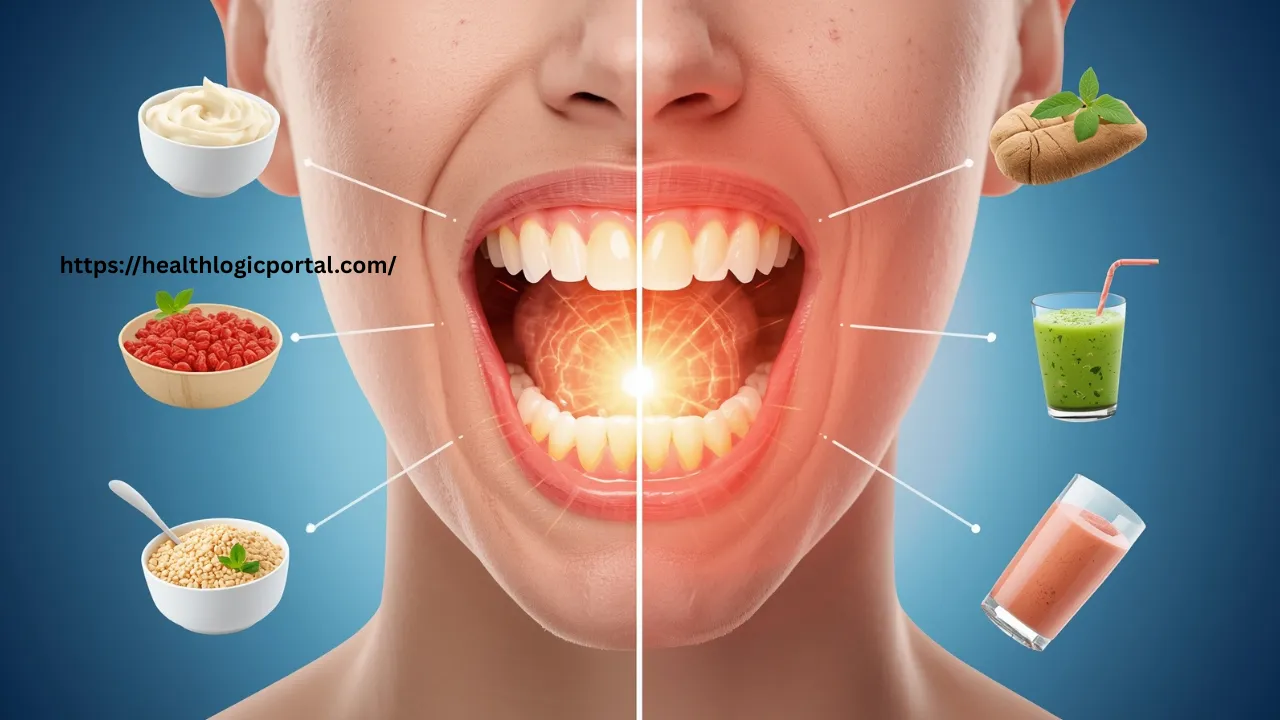
When your wisdom teeth are removed, your gums and jaw go through a healing process that requires extra care. The extraction site forms a blood clot, a natural bandage protecting the wound while new tissue grows. If this clot is dislodged too soon, you risk developing dry socket—a painful condition that exposes the bone and nerves.
This is where food choices play a huge role. Soft foods minimize chewing, reduce irritation, and lower the chances of disturbing the clot. In contrast, crunchy, sticky, or sharp-edged foods can scrape or lodge themselves in the surgical site, delaying healing and causing infections.
But beyond avoiding harm, the right foods actively support healing. Protein-rich options help rebuild tissue, vitamins boost your immune system, and hydration keeps your mouth and body functioning well. Skipping balanced nutrition for easy junk foods might seem tempting, but it slows recovery.
Think of your body as a construction site. After surgery, your gums repair themselves like builders patching up a wall. Feeding your body with the right building materials and nutrients can finish the job faster and stronger. The process drags on without them, leaving you tired, sore, and more vulnerable to complications.
So, choosing soft foods isn’t about making life boring it’s about giving your body what it needs while still being kind to your healing mouth.
Eating Timeline After Wisdom Teeth Removal

One of the most common questions patients ask is: “When can I start eating normal food again?” The answer depends on how your body heals, but here’s a general timeline most oral surgeons recommend:
Day 1–2: Stick to Liquids and Purees
Your mouth will be swollen and sore in the first 48 hours. Focus on smooth, cold, and hydrating foods like applesauce, yogurt, smoothies (without seeds), broths, and protein shakes. Avoid hot foods because they can dissolve the blood clot.
Day 3–5: Add Mushy and Soft Foods
As the swelling eases, you can introduce mashed potatoes, oatmeal, scrambled eggs, and soft noodles. The key is still avoiding anything chewy, crunchy, or spicy.
Day 6–7: Move to Semi-Solid Foods
By this point, you should feel more comfortable. Soft fish, cooked rice, pancakes, and steamed vegetables mashed into small bites are generally safe. Still, cut everything into small pieces and chew gently.
After 1 Week: Slowly Reintroduce More Foods
You can start eating tender meats like shredded chicken or ground turkey, along with soft fruits like bananas. Hard or crunchy foods should still be avoided until at least two weeks post-surgery, or until your dentist gives the green light.
The most important rule is to listen to your body. If chewing causes pain, go back to softer options. Everyone heals at a different pace, so don’t rush it.
The Complete List of Soft Foods to Eat After Wisdom Teeth Removal
Here’s the section you’ve been waiting for: a categorized master list of safe, nutritious, and satisfying soft foods after wisdom teeth removal.
1. Dairy-Based Options
- Yogurt (plain or Greek, without fruit chunks)
- Cottage cheese
- Soft cheeses like cream cheese or ricotta
- Pudding and custard
- Milkshakes (without straws)
- Ice cream and frozen yogurt
Yogurt and cottage cheese provide protein for tissue repair, while pudding and custard offer comfort when you need something sweet. Greek yogurt is especially beneficial because it has probiotics that support gut health, which is often disrupted if you take antibiotics after surgery.
2. Protein-Packed Foods
- Scrambled or poached eggs
- Silken tofu
- Hummus
- Protein smoothies with bananas or avocado
- Soft fish like salmon or tilapia
Protein is your body’s building block. A serving of eggs or fish can give you enough protein to kickstart recovery, while tofu and hummus offer vegetarian-friendly options.
3. Fruits and Vegetables (Soft or Pureed)
- Applesauce
- Mashed avocado
- Steamed and mashed sweet potatoes
- Smooth purees like pumpkin or carrot soup
- Ripe bananas
These foods provide vitamins A and C, which help with wound healing. Mashed avocado adds healthy fats, making it a great addition to smoothies or soft bread.
4. Comfort Carbs
- Mashed potatoes with a drizzle of olive oil
- Cream of wheat or oatmeal (cooled before eating)
- Soft rice or risotto
- Macaroni and cheese (well-cooked pasta)
- Pancakes soaked in syrup or broth
These carb-rich foods keep your energy levels steady without irritating your gums.
5. Cold Comfort Foods
- Sorbet
- Chilled custard
- Smoothie bowls
- Gelato
- Ice cream (without nuts or crunchy toppings)
Cold foods feel soothing and help reduce swelling in the first couple of days.
6. Soups and Broths
- Chicken broth
- Bone broth
- Tomato soup (blended and cooled)
- Lentil soup (pureed)
- Cream of mushroom or cream of chicken soup
Soups are excellent because they hydrate you and provide vitamins. However, to protect the healing sites, ensure they’re lukewarm, not hot.
This diverse list means you won’t get bored eating the same three foods repeatedly—you can mix and match while keeping nutrition balanced.
Foods to Avoid After Wisdom Teeth Removal
Knowing what to eat is only half the story—knowing what to avoid is just as crucial. Eating the wrong food too soon can lead to irritation, infection, or even severe complications. Here are the main categories to steer clear of:
1. Crunchy and Hard Foods
Chips, popcorn, nuts, and granola are the biggest culprits. Not only are they tough to chew, but small fragments can get stuck in your surgical site and cause infection.
2. Spicy and Acidic Foods
Chili peppers, hot sauces, and even acidic fruits like oranges or tomatoes can sting your wounds and delay healing. Although peppers like jalapeños have great health benefits jalapeño health benefits, they’re best avoided during the healing period.
3. Sticky and Chewy Foods
Caramel, toffee, and chewing gum can pull at stitches or get lodged in your wounds, making them very risky.
4. Foods with Small Seeds or Grains
Strawberries, raspberries, and seeded breads can leave behind tiny particles that irritate or infect the healing area.
5. Alcohol and Carbonated Beverages
Alcohol delays healing and can interact dangerously with pain medications. Carbonated drinks, on the other hand, can cause painful bubbling sensations in fresh wounds.
Although avoiding these foods may initially feel restrictive, it’s a short-term sacrifice for long-term comfort and smooth healing.
Making Soft Foods More Nutritious
When you’re on a soft-food diet after wisdom teeth removal, it’s easy to fall into the trap of eating only ice cream, pudding, and mashed potatoes. While these foods may be comforting, they don’t provide all the nutrients your body needs to heal properly. The good news is you can boost the nutrition of soft foods without making them harder to eat.
1. Protein Enrichment Ideas
Protein is the building block of tissue repair. Add unflavored protein powder to smoothies, oatmeal, or mashed potatoes for an easy boost. Greek yogurt also offers double the protein of regular yogurt, making it a wise choice for healing. For vegetarians, silken tofu or hummus can add protein without much chewing.
2. Healthy Fats for Faster Recovery
Fats aren’t just energy sources they also help reduce inflammation. Add mashed avocado, olive oil, or a spoonful of nut butter (smooth, not chunky) to meals. These not only make foods creamier but also enhance flavor.
3. Smart Carb Choices
Not all carbs are created equal. Instead of sugary puddings alone, choose whole grain oatmeal or well-cooked rice porridge. These options release energy more slowly’ preventing blood sugar crashes that can fatigue you.
4. Vitamin-Rich Purees
Vegetables are packed with vitamins essential for recovery. Pureed carrots, pumpkin, and sweet potatoes are excellent sources of vitamin A, which helps with tissue repair. When blended well, adding spinach to a smoothie gives you an iron boost without affecting the texture.
5. Example Soft Meal Plan
- For breakfast, make a banana and Greek yogurt smoothie with protein powder.
- Lunch: Creamy pumpkin soup with olive oil drizzle.
- Snack: Applesauce with cinnamon.
- Dinner: Mashed potatoes with pureed steamed spinach mixed in.
- Dessert: Soft custard or a smoothie bowl.
By making small tweaks, your soft-food diet can become a healing powerhouse, fueling your recovery rather than slowing it down.
Practical Eating Tips for a Smooth Recovery
Even with the best food list, how you eat matters as much as what you eat. After wisdom teeth removal, your gums are tender, and the last thing you want is extra pain or complications from poor eating habits. These practical tips can make the experience much smoother.
1. Eat Small Portions Frequently
Instead of three heavy meals, aim for five to six smaller meals spread throughout the day. This prevents overworking your jaw and keeps energy levels steady.
2. Mind the Temperature
Hot foods can dissolve blood clots and irritate wounds, while ice-cold foods may feel soothing at first but could cause sensitivity for some. Stick to cool or lukewarm foods—the middle ground is safest.
3. Stay Hydrated Wisely
Dehydration can delay healing, but avoid using straws at all costs. The suction may cause a dry socket. Instead, sip water gently from a cup. Hydrating foods like broths and pureed soups also help.
4. Position Matters
Try to chew on the opposite side of your extraction site to avoid irritation. If both sides are healing, stick to foods that barely require chewing.
5. Eat Slowly and Mindfully
Rushing through meals increases the chance of food particles getting stuck in your surgical site. Take your time, swallow gently, and rinse your mouth with water after eating.
6. Adjust to Your Comfort
Your recovery will feel different day by day. Return to yogurt or soup if scrambled eggs feel too chewy on day three. Listening to your body prevents unnecessary pain.
By combining the right foods with these habits, you create an eating routine that supports healing and makes the process less stressful.
Oral Care and Lifestyle Habits Beyond Diet
Food plays a huge role in healing, but recovery isn’t just about what you eat. Your oral hygiene and daily habits will determine how quickly and comfortably you bounce back after surgery.
1. Oral Care Tips
For the first 24 hours, avoid brushing near the extraction site. After that you can gently brush your teeth, but be careful around stitches. Rinsing with a mild saltwater solution (1 teaspoon of salt in a glass of lukewarm water) after meals helps keep your mouth clean without disturbing clots.
2. Sleeping Position
Swelling is worse when you lie flat. For the first few nights, sleep with your head elevated using pillows. This reduces blood flow to the wound area and helps with pain. If you need detailed guidance, check this resource: how to sleep after wisdom teeth removal.
3. Activities to Avoid
Heavy lifting, sports and smoking should be avoided for at least a week. These activities increase blood pressure and suction, which can dislodge clots and delay healing.
4. Managing Pain and Swelling
Your dentist may prescribe painkillers or antibiotics—take them exactly as directed. Ice packs applied externally to the cheeks (for 15 minutes at a time) also help reduce swelling in the first 24 hours.
5. When to Call Your Dentist
Contact your oral surgeon immediately if you experience severe pain, prolonged bleeding or signs of infection (like fever or pus). Early intervention can prevent bigger issues.
Good oral care and lifestyle adjustments are as important as diet to ensure a smooth recovery.
Common Mistakes People Make With Diet After Wisdom Teeth Removal
Even with clear guidelines, many people accidentally make mistakes that slow their recovery. Being aware of these pitfalls can save you pain and frustration.
1. Over-Relying on Ice Cream and Pudding
Yes, they’re soft and easy to eat, but lack essential nutrients. Relying only on sugary desserts can leave you feeling sluggish and prolong healing. Balance them with protein and vitamins.
2. Using Straws Too Early
Straws are one of the biggest risks for dry socket. Even after the first week, it’s best to wait until your dentist confirms it’s safe before using them again.
3. Eating Too Quickly
When you’re hungry, it’s tempting to eat fast, but gulping down food increases the chance of particles getting stuck in your wounds. Eating slowly and rinsing after meals helps prevent this.
4. Trying Hard Foods Too Soon
Some people get impatient and test crunchy foods like chips or bread within a few days. This can undo all your healing progress in seconds. Stick to the timeline your surgeon recommends.
5. Ignoring Hydration
It’s easy to forget water when you’re focused on food choices’ but dehydration leads to fatigue and delays wound repair. Keep a water bottle nearby and sip throughout the day.
By steering clear of these mistakes’ you set yourself up for a smoother, faster and less painful recovery.
Other Healing-Boosting Foods and Natural Remedies
Beyond the usual soft foods, certain natural remedies can support healing after oral surgery:
1. Honey (in moderation)
Honey has natural antibacterial properties that can help reduce infection risk. A small spoonful stirred into lukewarm tea or yogurt can be soothing. See: honeycomb benefits for health.
2. Herbal Teas (lukewarm only)
Chamomile and peppermint tea can reduce inflammation and promote relaxation. Avoid drinking them hot, as heat may disturb your healing gums.
3. Water-Rich Fruits
Fruits like water apple (read more here) are hydrating and provide natural antioxidants. These should be eaten only when fully ripe and soft.
4. Bone Broth
This mineral-rich food supports joint, bone, and tissue repair. It’s easy to sip and can be blended with pureed vegetables for added nutrition.
5. Smoothies with Probiotics
Adding probiotic-rich yogurt or kefir to smoothies supports gut health, especially if you’re on antibiotics after surgery.
These natural options fit into a soft-food diet and offer extra benefits for immunity, hydration, and overall healing.
Conclusion
Recovering from wisdom teeth removal can feel restrictive’ but it doesn’t mean you have to sacrifice nutrition or taste. With the right list of soft foods to eat after wisdom teeth removal, you can create balanced, satisfying meals that fuel your recovery while minimizing discomfort.
From yogurt and mashed potatoes to protein-packed smoothies and nourishing soups, your options are far more varied than you might think. The key is to focus on soft, cool, and nutrient-rich foods while avoiding crunchy, sticky, or spicy foods until fully healed.
Remember to pair your diet with innovative aftercare practices: sleep with your head elevated, avoid using straws, rinse gently with saltwater, and follow your dentist’s instructions closely. By doing so, you’ll not only heal faster but also reduce the risk of painful complications.
Your mouth will thank you for being patient and cautious now, and soon enough, you’ll be back to enjoying all your favorite foods without worry.
Frequently Asked Questions (FAQs)
Many patients have similar concerns when it comes to eating after wisdom teeth removal. Below are detailed answers to the most frequently asked questions to help clear up confusion and give you peace of mind.
1. How long should I stick to a soft-food diet?
Most people must follow a soft-food diet for at least 7–10 days. However, everyone heals differently. Some may feel comfortable trying semi-solid foods after a week, while others need closer to two weeks. Always follow your oral surgeon’s personalized advice, as rushing into harder foods could lead to complications like dry socket.
2. Can I eat bread after wisdom teeth removal?
Soft bread soaked in broth or milk may be okay after about 5-7 days. However, avoid crusty bread, bagels, or toast, which can scratch your gums or get stuck in your wounds. Opt for very soft pancakes if you’re craving bread early on.
3. Is yogurt safe right after surgery?
Yogurt is one of the safest foods to eat immediately after wisdom teeth removal. It’s smooth, cool, and soothing for swollen gums. Healthline also recommends yogurt and smoothies as top choices for the first few days of recovery.
4. Can I eat fruits after wisdom teeth removal?
Yes, but only soft and seedless fruits. Bananas, avocados, and applesauce are excellent early options. Avoid fruits with seeds (like strawberries or raspberries) as they can lodge in your wounds. Citrus fruits should also be avoided in the early days because of their acidity.
5. Is it safe to eat fish or chicken during recovery?
Yes, but timing matters. Soft fish like salmon or tilapia are usually introduced after day 5–6. Chicken should be tender and shredded into very small pieces to avoid too much chewing. Hard, chewy meats should be avoided for at least 2 weeks.