This content is contributed by Dr. Maryam Touseef, a qualified Nutritionist and Dietitian specializing in personalized diet and lifestyle guidance.
Most teas taste good, but very few can surprise you with a glowing blue color and centuries of healing stories. Palo Azul is one of those rare herbal secrets you’ll want to know more about.
Herbal teas have been part of traditional medicine for centuries, offering natural ways to support wellness. Among these, Palo Azul tea has gained attention for its unique appearance—it turns a beautiful blue color when brewed—and its potential health benefits. Originating from Mexico and South America, Palo Azul (meaning “blue stick” in Spanish) comes from the bark of the Eysenhardtia polystachya tree and has been used in folk medicine for generations.
But what exactly makes Palo Azul so special, and how can it support your health? Let’s dive into the science-backed and traditional health benefits of Palo Azul tea.
What is Palo Azul?
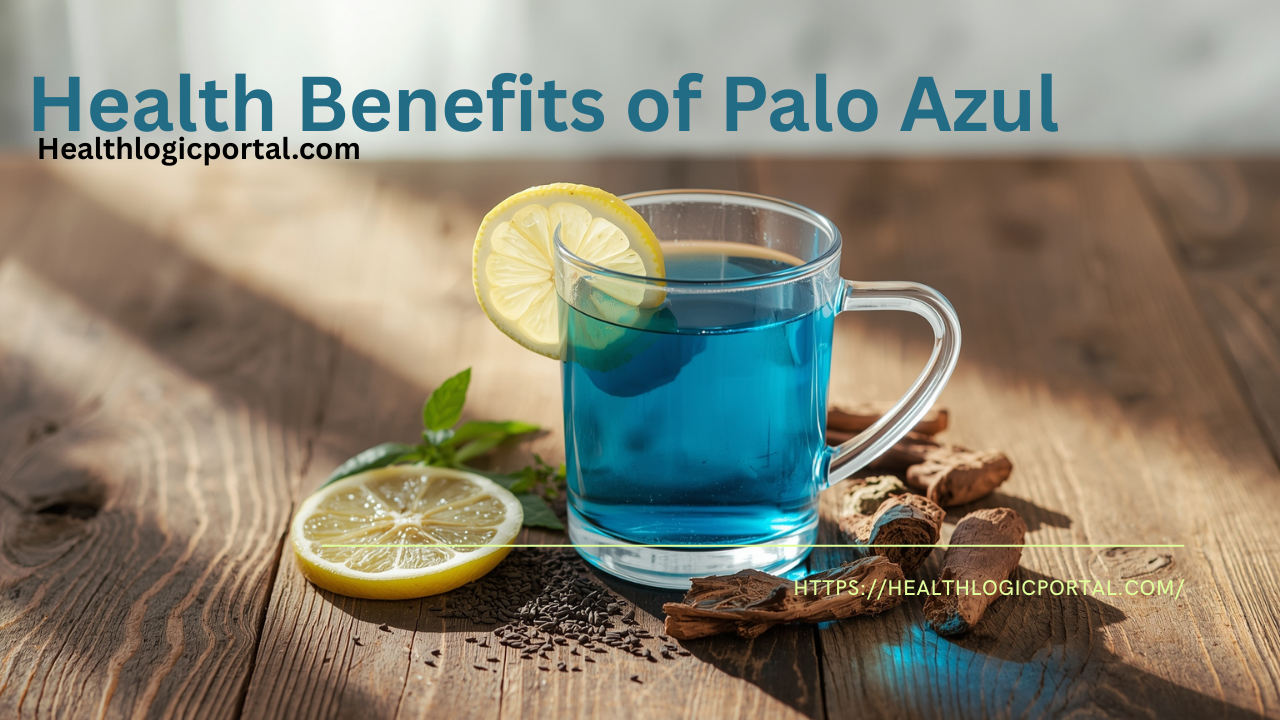
Palo Azul is an herbal remedy prepared by boiling pieces of bark in water to create a mild, earthy tea. The most fascinating feature is its natural blue fluorescence when held against light. Traditionally, it has been used in indigenous medicine for kidney health, detoxification, and digestive support.
Today, wellness enthusiasts are exploring Palo Azul as a caffeine-free herbal tea that may complement modern healthy living. While more research is needed, several potential benefits make it worth considering as part of a balanced lifestyle.
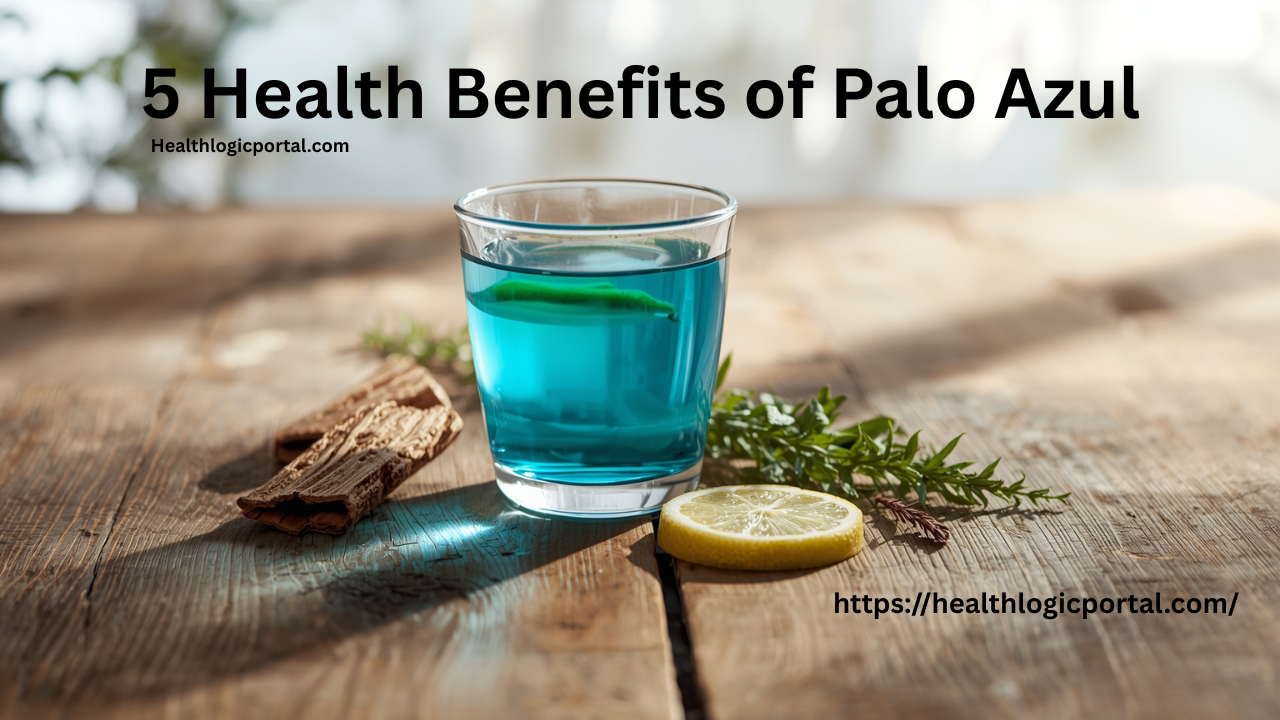
5 Health Benefits of Palo Azul
1. Supports Kidney Health
One of the most cited uses of Palo Azul is its role in supporting kidney function. Historically, it has been consumed to help flush out toxins, reduce kidney inflammation, and prevent kidney stones. By acting as a mild diuretic, Palo Azul may encourage increased urine flow, which helps the body eliminate excess salts and waste products.
Palo Azul tea is really popular for its detox and kidney health benefits, and many people swear by it. If you’re curious about real experiences, you can check out reviews from other users here on Walmart. It’s always helpful to see what others are saying before trying it yourself.
2. Natural Detoxification
Many people turn to herbal teas for their detoxifying properties, and Palo Azul is no exception. By promoting hydration and kidney filtration, it may aid the body’s natural detox process. Some users drink Palo Azul before drug tests because of its diuretic effect, but scientific evidence supporting this specific use is limited.
Still, as part of a healthy lifestyle—balanced diet, proper sleep, and hydration—Palo Azul can be a refreshing way to help the body feel lighter and cleaner. For more natural detox-supporting foods, you may also enjoy reading about honeycomb benefits for health.
3. Anti-Inflammatory Properties
Chronic inflammation is linked to conditions such as arthritis, cardiovascular disease, and diabetes. Palo Azul contains flavonoids and polyphenols, plant compounds known for their anti-inflammatory effects. Traditional use suggests it may help soothe joint pain and swelling.
While human studies are limited, early research on plant-derived antioxidants supports their potential to reduce oxidative stress and inflammation in the body. Adding Palo Azul tea to your daily routine may serve as a natural complement to an anti-inflammatory diet rich in fruits, vegetables, and omega-3 fats.
4. Blood Sugar and Metabolic Support
Some preliminary studies suggest Palo Azul may play a role in regulating blood sugar levels. In animal models, extracts of Eysenhardtia polystachya have shown potential to improve insulin sensitivity and lower glucose levels. This points to possible benefits for people managing type 2 diabetes, though clinical research in humans is still needed.
If you’re exploring foods that support metabolic health, check out our guide on red snapper health benefits for additional insights into nutrient-rich choices.
5. Digestive Health
Another traditional use of Palo Azul tea is easing digestive discomfort. Folk remedies suggest it can help with bloating, upset stomach, and mild constipation. The soothing, caffeine-free nature of the tea makes it a gentle option for those who want to relax their digestive system without harsh stimulants.
When combined with a fiber-rich diet and hydration, Palo Azul may support smoother digestion. Similarly, tropical fruits like water apple also provide natural digestive support, making them great additions to a gut-friendly diet.
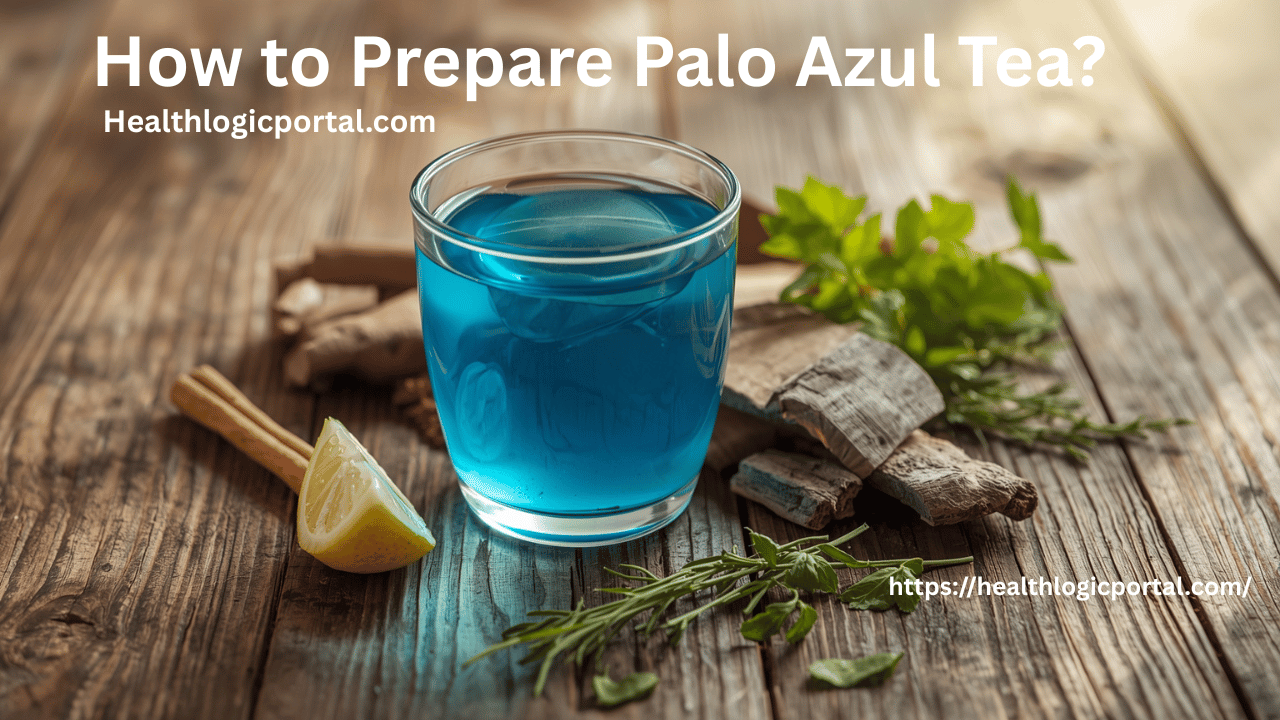
How to Prepare Palo Azul Tea?
Making Palo Azul tea is simple and requires only the bark and water:
- Rinse 1–2 pieces of Palo Azul bark.
- Boil them in about 1.5 liters of water for 20–30 minutes.
- Let the tea steep until the water turns a rich golden or bluish color.
- Strain and enjoy hot or chilled.
You can drink it plain, or add a slice of lemon or a bit of honey for flavor.
Tips for Safe Use
- Moderation is key: While Palo Azul is generally considered safe, drinking excessive amounts of any diuretic tea can lead to dehydration.
- Not a substitute for treatment: If you have kidney disease, diabetes, or other chronic conditions, consult a healthcare provider before adding Palo Azul to your diet.
- Pregnancy and breastfeeding: There’s not enough research on safety during these periods, so it’s best to avoid unless advised by a doctor.
Frequently Asked Questions (FAQs)
You might still have a few questions about Palo Azul before giving it a try, and that’s completely normal. Many people want to know how it works, how often to drink it, or whether it’s really effective. To make things easier, I’ve answered the most common questions for you below.
1. Can Palo Azul really help with kidney stones?
Traditionally, Palo Azul has been used to prevent kidney stones by increasing urine flow. However, more clinical studies are needed to confirm its effectiveness in humans.
2. Does Palo Azul have caffeine?
No, Palo Azul tea is naturally caffeine-free, making it a relaxing evening beverage.
3. How often should I drink Palo Azul tea?
For general wellness, 1–2 cups per day is considered safe for most healthy adults.
4. Does Palo Azul help with weight loss?
There’s no direct evidence that Palo Azul promotes weight loss. However, as a low-calorie, hydrating tea, it may support overall wellness and metabolism when combined with a healthy lifestyle.
5. Where can I buy Palo Azul?
You can find Palo Azul bark in herbal shops, online wellness stores, or specialty tea retailers. Always choose high-quality, reputable sources.
Have you tried Palo Azul before? Many people share that they feel lighter, more refreshed, and even notice better digestion. If you give it a try, your experience might help someone else curious about this tea too.
Conclusion
The health benefits of Palo Azul go far beyond its striking blue colour. It has long been valued for supporting kidney function, aiding natural detoxification, reducing inflammation, and promoting better digestion. Unlike many herbal remedies that can be bitter, Palo Azul tea has a mild, refreshing taste, making it easy to enjoy as part of a daily wellness routine.
While modern research is still exploring its active compounds, centuries of traditional use suggest it may help the body stay balanced and hydrated. Many people turn to it for cleansing and overall vitality, but it’s best seen as a gentle complement to a healthy lifestyle rather than a medical cure.
Medical Disclaimer: This article is for informational purposes only and should not be taken as medical advice. Always consult a healthcare professional before starting any new herbal remedy, especially if you have existing health conditions or are taking medications.