This article is written by Dr. Bilal Raees Qureshi, a practicing dentist with 8+ years of experience at Z Care Dental Experts.
Getting your braces off is one of the most exciting milestones in your orthodontic journey. After months or even years of adjustments, dietary restrictions, and careful cleaning, you’re finally about to see the smile you’ve been working toward. But many patients feel both curious and nervous about the big day. Questions like “Does it hurt?”, “How long will it take? and “What happens afterward? It is extremely common.
The quick answer is this: removing braces usually takes between 30 and 60 minutes. But the reality is that braces removal is about much more than just popping off brackets. It’s a carefully managed process that involves cleaning, polishing, and preparing your teeth for the next stage of retention.
This article explores the entire process step by step, what to expect during removal, how long it really takes, factors that influence your treatment time, and what life feels like once the braces come off. We’ll also highlight real patient experiences, cite trusted sources like Healthline, Colgate, and Cleveland Clinic, and provide practical tips to make your braces removal smooth and stress-free.
So if you’re counting down the days, let’s dive into exactly what happens when braces come off and how long the journey really takes.
The Braces Removal Appointment: Step by Step
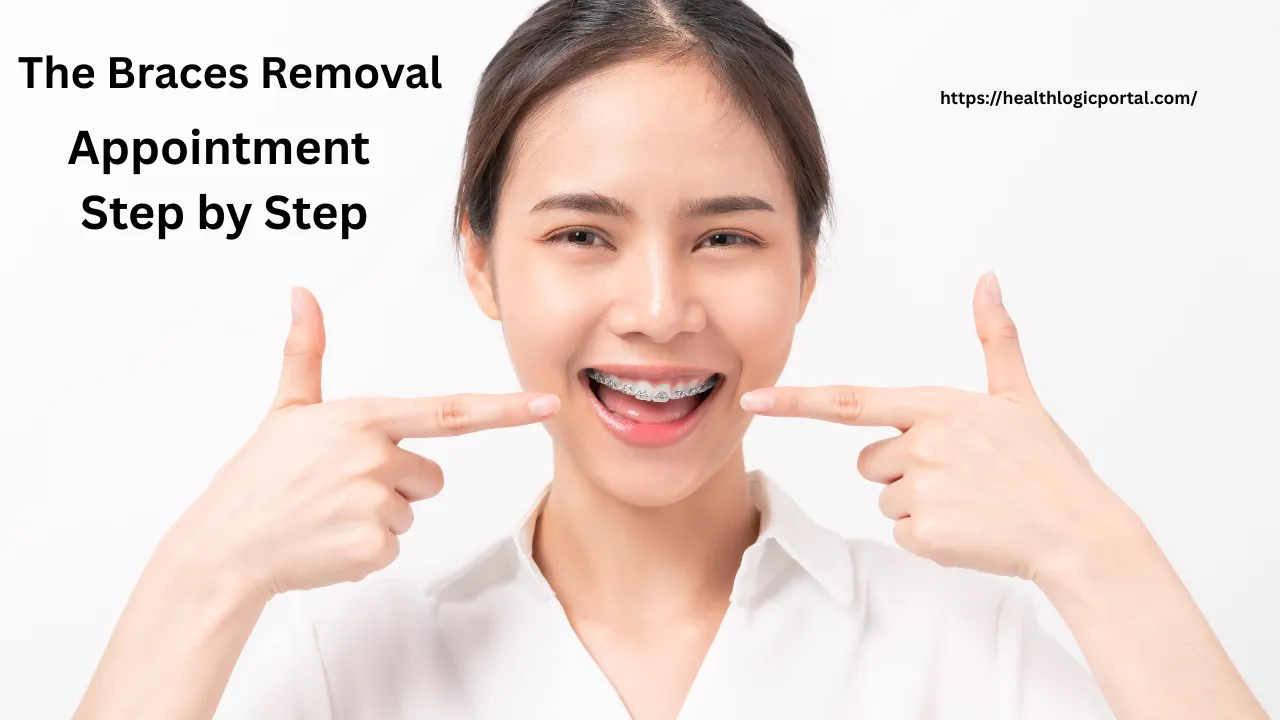
Many patients imagine a long, painful process, but braces removal is actually quick and painless. Here’s what typically happens:
1. Initial Assessment
Your orthodontist will first check that your teeth are ready. This includes evaluating:
- Whether your teeth are properly aligned
- If your bite is stable
- Whether bone and gum tissues have adapted
If all looks good, the removal process begins.
2. Removing the Brackets and Wires
- The orthodontist uses a special tool to gently squeeze each bracket into place.
- Brackets ‘’pop’’ off with a little pressure, but without any pain.
- The archwire and elastics are removed first, followed by the brackets.
Most patients describe this as a strange tugging feeling rather than pain.
3. Cleaning Adhesive and Polishing
- After the brackets are off, the adhesive glue remains on the teeth.
- A polishing tool smooths away the glue.
- This stage can feel like a ticklish vibration, but it is not uncomfortable.
4. Retainer Fitting
- Impressions or digital scans are taken the same day.
- Some orthodontists provide removable retainers immediately, while others fit them during a follow-up appointment.
Patient Experience: One Healthline contributor said, The removal was quicker than expected, about 30 minutes. The strangest part was how smooth my teeth felt after years of brackets.”
How Long Does the Appointment Take?
Most braces removal appointments last 30–60 minutes. The exact time depends on:
- Number of teeth with braces: Full-mouth removal takes longer than partial.
- Adhesive strength: Stronger bonding may take more polishing.
- Additional procedures: If a retainer is fitted on the same day, expect to spend extra time.
Comparison
- Putting braces on: 1–2 hours
- Taking braces off: usually under 1 hour
According to Colgate, most patients are surprised at how fast the process is compared to their expectations.
Factors That Affect Braces Treatment Duration (Before Removal Day)
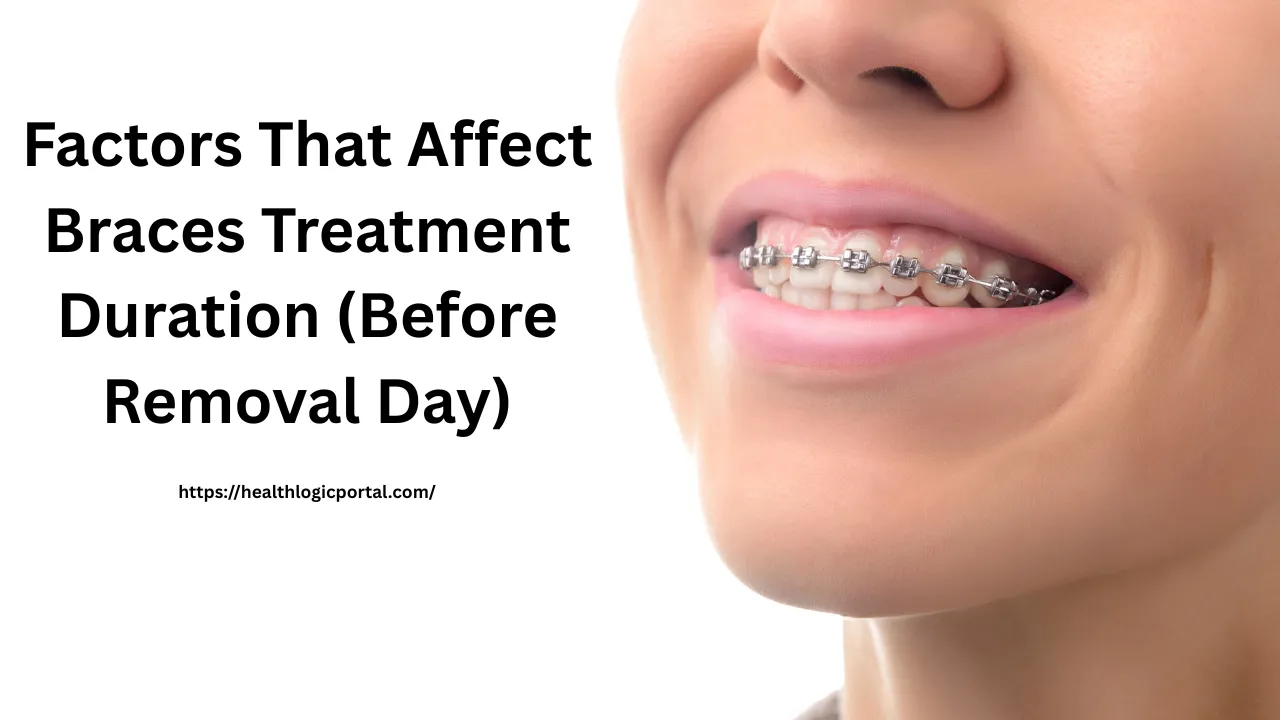
When people ask, How long does it take to get braces off? They often mean the entire treatment timeline, not just the removal appointment. Treatment typically lasts 18–30 months, but this varies widely.
Case Complexity
- Mild spacing or crowding: 12–18 months
- Moderate misalignment: 18–24 months
- Severe bite issues: 24–36 months or longer
Complexity is the single biggest factor. Straightening a mildly crooked smile is much faster than correcting severe overbites or crossbites.
Patient Age
- Teens often see faster results because their bones are still developing.
- Adults can absolutely get braces, but teeth move more slowly in mature bone structures.
Oral Hygiene & Compliance
Braces require responsibility. Skipping appointments, not wearing elastics, or breaking brackets can extend treatment by months. Poor oral hygiene can even necessitate orthodontists pausing or adjusting treatment until the gums heal.
Biological Response
Not everyone’s teeth move at the same rate. Some patients respond quickly, while others’ teeth shift more slowly, even with perfect compliance.
According to Baptiste Orthodontics, the typical full treatment time averages around two years, but orthodontists always emphasize that every smile is unique.
What It Feels Like When Braces Come Off
The moment your braces are removed is one you’ll never forget.
Physical Sensations
- Pressure, not pain: Brackets popping off may feel odd but not painful.
- Smooth teeth: Your tongue will constantly explore your newly bare teeth.
- Mild sensitivity: Cold foods may feel stronger for a few days.
Emotional Response
- Many patients feel immediate relief no more poking wires or stuck food.
- Others are shocked at how different their teeth look and feel.
- Confidence skyrockets once patients see their straight smile in the mirror.
Patient Insights
- A Reddit user shared, “I was nervous, but it was painless.” The weirdest part was seeing my real teeth after so long; they looked huge at first!
- On NHS forums, patients consistently report that removal is much easier than they had feared.
In short, braces removal is more exciting than scary, and most patients walk out smiling brighter than ever.
Life Immediately After Braces Removal
The first 24–72 hours after braces removal are full of new sensations and emotions. Most patients find it surprisingly easy to adapt, but there are a few things you should be prepared for.
Sensitivity and Eating Adjustments
Your teeth may feel slightly tender immediately after removal. This is because the enamel and gums have been shielded by brackets for years. Cold or hot foods may trigger slight discomfort for the first few days.
Tips
- Use toothpaste for sensitive teeth.
- Begin with softer foods, such as pasta, rice or smoothies.
- Avoid very hard or crunchy snacks for a couple of days until sensitivity fades.
After that, eating feels much easier. You’ll notice just how enjoyable it is to bite into an apple or chew steak without worrying about brackets breaking.
Oral Hygiene Becomes Easier
Flossing between each tooth no longer takes 15 minutes. Brushing feels more thorough and satisfying. Orthodontists often recommend scheduling a professional dental cleaning after removal to polish away stains left behind by brackets.
The Emotional High of a New Smile
Patients often describe the removal day as a confidence boost. For the first few weeks, it’s normal to smile more often, take more photos, and feel more outgoing socially. The smoothness of your teeth may feel strange, but that sensation usually disappears within days.
The Role of Retainers in Long-Term Success
One of the most important parts of the braces journey begins right after removal: retainers.
Why Retainers Are Non-Negotiable
Teeth are not locked in place when braces come off. The bone and ligaments around your teeth need time to stabilize. Without a retainer, teeth can shift back sometimes within weeks. This is called relapse.
Types of Retainers
1. Fixed Retainers (Bonded Wires)
- A thin wire is glued to the back of the teeth.
- Invisible, works 24/7.
- Best for high-risk relapse cases.
2. Removable Retainers
- Hawley Retainers: Acrylic and wire design, durable but visible.
- Clear Plastic Retainers (Essix, Vivera): Nearly invisible, popular but less durable.
How Long to Wear Them
- First 6–12 months: Full-time (20–22 hours/day).
- After one year, nighttime wear is usually sufficient.
- Long-term: Many orthodontists now recommend wearing braces for a lifetime, typically on a nightly basis.
According to the Cleveland Clinic, consistent retainer use is the single best way to prevent relapse.
Real Experience: Many adults regret not wearing retainers as teenagers, leading to crooked teeth later in life and the need for repeat orthodontic treatment.
What to Expect in the First Week After Removal
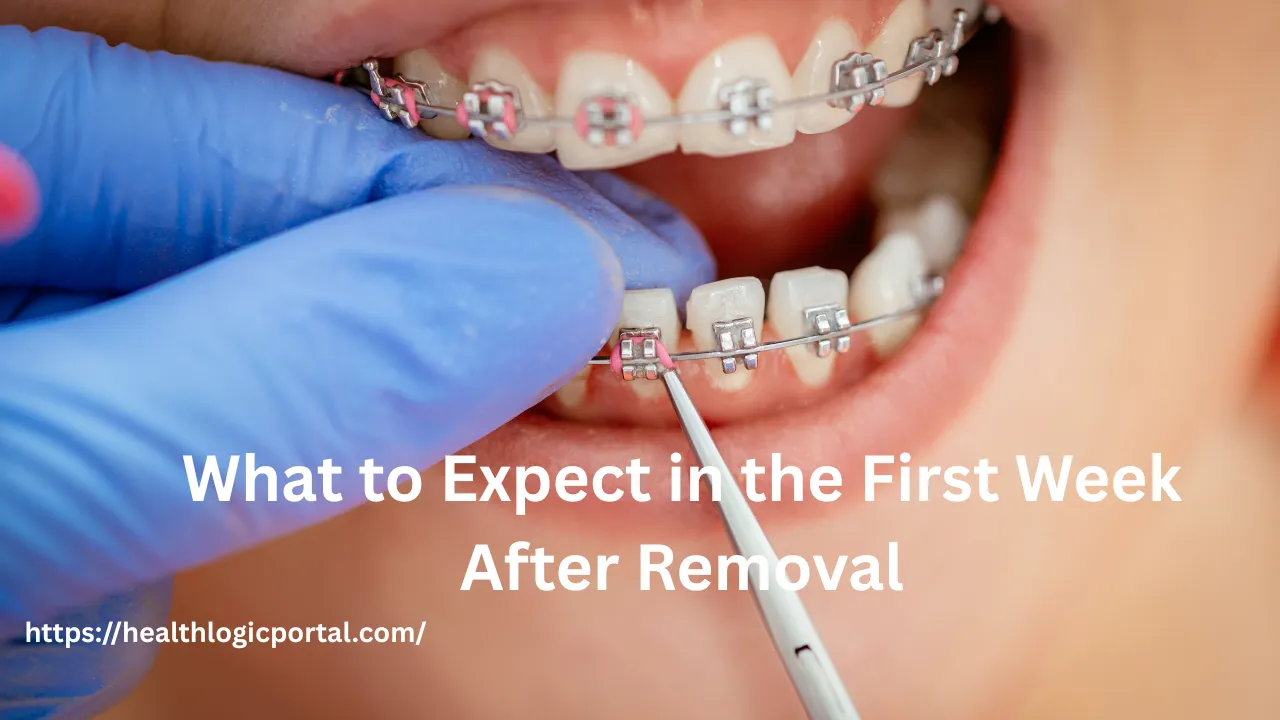
The first week sets the tone for your post-braces routine.
Day 1–3
- Teeth may feel sensitive to temperature.
- Retainers may feel tight at first, but should ease quickly.
- Smile confidence starts to build.
Day 4–7
- Eating feels normal again.
- Flossing is faster and easier.
- You’ll notice minor enamel stains where brackets were; these can be polished or whitened later.
Pro Tip: Avoid skipping retainer wear during this first week. Even one night without it can cause slight shifting.
The First Month After Braces: Adapting to Retainers and Smile Changes
After a month, most patients fully adapt to life without braces.
Adjusting to Retainers
- Some patients may notice a slight lisp initially with removable retainers. This usually fades in a week.
- Clear retainers may feel snug but should never be painful.
Smile Confidence
Patients often describe feeling that their teeth appear larger than expected. This is because you’re not used to seeing them without brackets. Within a few weeks, the new look feels natural.
Teeth Whitening
Most orthodontists recommend waiting about a month before whitening to allow the enamel and gums to heal from the adhesive removal. Options include:
- Whitening toothpaste or strips
- Professional dental whitening
Dental Check-Ups
Your orthodontist may schedule follow-up visits to ensure your retainer fits properly. Meanwhile, your dentist may suggest a cleaning to polish away residual glue or plaque.
Internal Tip: Just like soft foods are recommended after wisdom tooth surgery, softer foods in the first few days post-braces can ease sensitivity.
Can Braces Be Removed Early?
A common question patients ask is whether they can get braces removed early.
Why Orthodontists Advise Against It
- Teeth need adequate time to shift and stabilize.
- Early removal often leads to relapse.
- Bite problems may remain unresolved.
When Early Removal May Be Considered
- Severe allergic reaction to metal or adhesive (rare).
- Medical treatment that requires the removal of braces.
- Extreme discomfort that can’t be corrected with adjustments.
Risks of Early Removal
- Crooked teeth returning.
- Money and time invested were wasted.
- Possible need for future orthodontic treatment.
Orthodontists often compare it to quitting a marathon a mile before the finish line. You’ve done most of the work, but without completing it, you won’t achieve lasting results.
Common Myths About Braces Removal
Many misconceptions about braces removal unnecessarily make patients nervous. Let’s clear them up.
Myth 1: Braces Removal Hurts
This is the most common myth. In reality, removal involves pressure, not pain. Patients often say the polishing tool tickles more than it hurts.
Myth 2: Teeth Stay Straight Forever Without Retainers
Wrong. Teeth naturally shift with age. Without retainers, relapse can happen within weeks. Retainers are your long-term insurance policy.
Myth 3: Enamel Gets Damaged During Removal
If braces are removed correctly, enamel remains intact. What patients sometimes notice is uneven coloring, where brackets were something that can be polished or whitened afterward.
Myth 4: Removal Takes as Long as Placement
False. Placing braces takes 1–2 hours. Removal usually takes less than an hour.
Myth 5: Braces Removal is the End of Treatment
Not true. Retainers are part of treatment. In fact, orthodontists often say the retention phase is just as important as the braces phase.
Practical Tips for a Smooth Braces Removal Experience
Want to make removal day easier? Follow these tips:
Before the Appointment
- Brush and floss thoroughly to make adhesive cleaning easier.
- Avoid hard or sticky foods that could damage brackets before removal.
- Write down questions about retainers, whitening, or aftercare.
During the Appointment
- Relax: the process is quick and painless.
- Ask your orthodontist to explain each step if you’re anxious.
- Don’t hesitate to request short breaks if you need them.
After Removal
- Follow retainer instructions carefully.
- Keep sensitive toothpaste handy.
- Book a dental cleaning or whitening within the next month, if desired.
Internal Tip: If you experience sensitivity similar to a toothache, natural care methods, such as those discussed in Natural Remedies for Tooth Infection, may offer relief while waiting for your follow-up visit.
Long-Term Smile Care After Braces
Your smile is an investment. Protect it with consistent long-term care.
Regular Dental Check-Ups
- See your dentist every six months for exams and cleanings.
- Your orthodontist may check retainers during the first year.
Retainer Maintenance
- Clean removable retainers daily with mild soap and water.
- Avoid hot water, as it warps plastic retainers.
- Replace retainers every 1–2 years as advised.
Lifestyle and Diet
- Sugary drinks and acidic foods erode enamel.
- A balanced diet supports oral health. For example, options like best juice for gut health also provide vitamins that benefit teeth and gums.
Cosmetic Enhancements
- Whitening treatments after removal brighten enamel.
- Bonding or gum contouring can refine your final smile.
Real-World Patient Experiences
Hearing from others who’ve gone through removal can make the process less intimidating.
- Healthline patient story: One contributor said the removal was faster than expected, and the best part was finally feeling their smooth teeth.
- Reddit testimonial: A teen shared, I thought it would hurt, but it was just pressure. The real shock was how big my teeth looked at first.
- Orthodontist blog case study: Some patients who skipped retainer wear experienced relapse as soon as six months, demonstrating the critical importance of retention.
These experiences highlight that while removal is easy, the real challenge is maintaining results afterward.
Conclusion
So, how long does it take to get braces off? The actual removal appointment typically lasts 30–60 minutes, but the full journey spans 18–30 months of treatment, followed by lifelong retention.
Braces removal is a painless, exciting, and life-changing experience. The moment you see your straight smile, every adjustment and food restriction is worth it. However, remember that the retainer is just as important as the braces. Without it, your smile can shift back.
Think of braces as the builder of your new smile and retainers as the guardians that protect it. With consistent care, regular check-ups, and good oral hygiene, your smile can stay beautiful for decades.
FAQs About Braces Removal
1. Does getting braces off hurt?
No. Patients report only mild pressure.
2. How long does braces removal take?
Usually 30–60 minutes, depending on adhesive and retainer fitting.
3. Can I eat normally after braces removal?
Yes, but start with softer foods if teeth are sensitive.
4. Do I really need to wear retainers forever?
Yes. Retainers keep your teeth from shifting back.
5. Can I whiten my teeth after braces?
Yes, but wait 3–4 weeks to let enamel settle before whitening treatments.