This article is written by Dr. Bilal Raees Qureshi, a practicing dentist with 8+ years of experience at Z Care Dental Experts.
Understanding a Chipped Tooth
A chipped tooth is one of the most common dental injuries, yet many people often underestimate its significance until discomfort sets in. Simply put, a chip happens when a portion of the tooth enamel breaks off, leaving the surface uneven or jagged. Sometimes, it’s just a small cosmetic issue; other times, it can expose deeper layers of the tooth and cause pain, sensitivity, or even infection if not properly managed. As per the Cleveland Clinic, the severity of the chip typically determines whether it can be managed temporarily at home or if urgent dental care is needed.
What Qualifies as a Chipped Tooth?
Not every dental injury looks the same. A chipped tooth may appear as a tiny enamel flake missing from the edge, a rough surface you can feel with your tongue, or a visible crack running across the tooth. In some cases, the chip is so small that you might not notice it until you feel sensitivity when drinking something cold. Larger chips, however, may leave the tooth sharp-edged, painful, or structurally weak.
Common Causes of a Chipped Tooth
There are several reasons why teeth chip, and most of them are preventable with good habits and proper oral care. Some common causes include:
- Biting hard foods like ice, nuts, or hard candy.
- Accidents or trauma, such as a fall or sports injury.
- Teeth grinding (bruxism) which wears down enamel over time.
- Tooth decay, which weakens enamel and makes teeth prone to chipping.
- Age-related wear occurs as enamel naturally thins with age.
If you’ve recently had a dental procedure like wisdom teeth removal, your other teeth might be under extra pressure during healing. That’s why sticking to soft foods after wisdom teeth removal is often recommended not just for comfort, but also to prevent accidental chips.
Different Types of Chips: Minor vs. Severe
Dentists classify chips by size and depth:
- Minor chips: Small enamel flakes, often painless and primarily cosmetic.
- Moderate chips: May expose dentin (the yellowish layer under enamel), causing sensitivity.
- Severe chips or cracks: Can reach the pulp (nerve), leading to pain, bleeding, or risk of infection. These often require professional treatment, such as bonding, crowns, or even a root canal.
In general, minor chips can be managed temporarily at home with natural remedies and protection; however, moderate to severe cases require a dentist’s evaluation and treatment. Ignoring a significant chip may increase the risk of tooth infection, which can be dangerous if left untreated. For instance, severe untreated infections may spread and become life-threatening, something we’ve explored in detail in our guide on how long until a tooth infection kills you.
Can a Chipped Tooth Heal on Its Own?
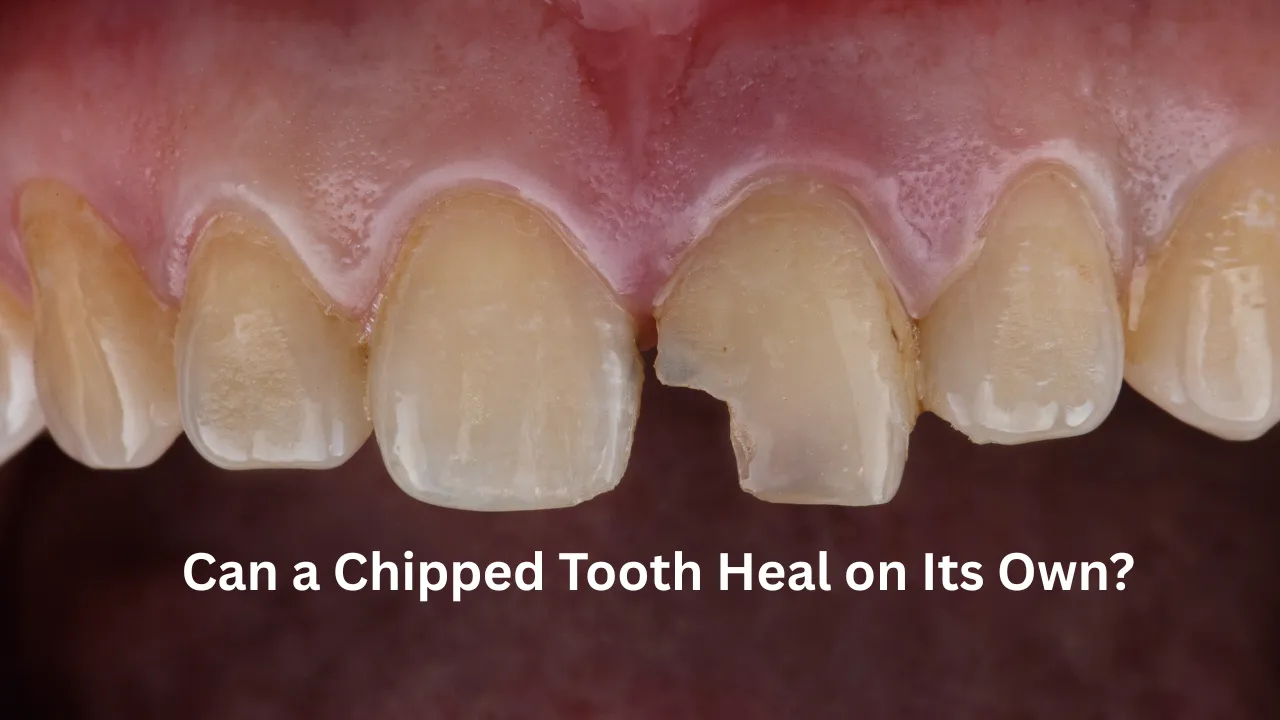
Enamel Limitations: Why Teeth Don’t Regrow Naturally
Unlike skin or bone, tooth enamel cannot repair itself. It’s made of minerals, mostly calcium phosphate, but contains no living cells or blood vessels. That’s why once enamel is chipped, it’s gone for good. According to WebMD, enamel erosion and damage are permanent. This is important for anyone hoping their chipped tooth will heal naturally. Unfortunately, nature doesn’t work that way.
The Role of Remineralization (science-backed but limited)
Remineralization can strengthen enamel but not regrow it. Using fluoride toothpaste, calcium-rich diets, and saliva-boosting practices may help restore minerals to weak spots around a chip. Scientific studies confirm that remineralization reduces sensitivity and helps protect teeth from decay, but it cannot fill in the missing piece of tooth structure. It’s more like reinforcing what’s left, rather than replacing what’s lost.
When Natural Approaches Are Supportive, Not Curative
Natural remedies can support oral health while you wait to see a dentist. For example, rinsing with saltwater reduces bacterial growth, while clove oil helps alleviate pain. These methods are valuable because they can prevent further problems, such as infection. However, they should always be seen as temporary measures. If left untreated, even a small chip can lead to more significant dental complications, such as decay or tooth infection. You can read more about infection risks in our guide: 10 Natural Remedies for Tooth Infection.
Immediate Home Care for a Chipped Tooth
Rinse With Warm Saltwater (cleansing & anti-inflammatory benefits)
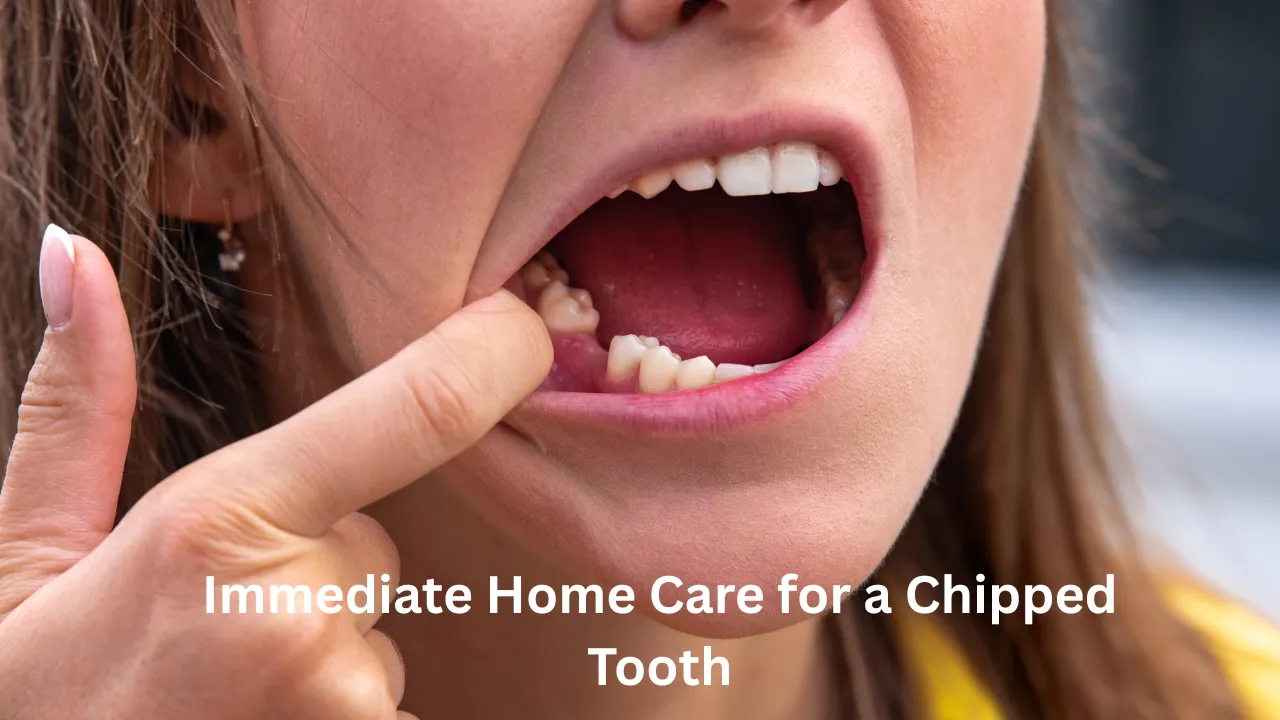
The first step after chipping a tooth is to clean your mouth. A simple warm saltwater rinse works as a natural antiseptic. It flushes away debris, lowers bacteria levels, and helps calm irritation in the gums. This is also the same strategy dentists recommend after oral procedures, such as wisdom teeth removal, because it’s safe and effective.
Preserve And Store Broken Fragments (milk/saliva)
If a piece of your tooth has broken off, don’t discard it. Instead, place it in milk or your saliva and take it with you to the dentist. According to the NHS, a fragment can sometimes be reattached, especially if brought in quickly.
Protect Sharp Edges With Wax, Gum, or Cotton.
A chipped tooth can leave sharp edges that cut your tongue or cheek. To prevent this, cover it with dental wax, sugar-free gum, or a small piece of cotton. This creates a temporary barrier until professional care is available.
Apply A Cold Compress for Swelling And Discomfort.
If the chip causes swelling or soreness, use a cold compress on the outside of your cheek. Apply it for 10–15 minutes at a time. This reduces inflammation and provides quick pain relief. Combined, these steps form the best at-home care plan until you can see a dentist.
Natural Remedies for Pain and Temporary Relief
Clove Oil
For a long time, clove oil has been used as a natural dental remedy. Its active ingredient, eugenol, is scientifically proven to reduce pain and fight bacteria. A drop of diluted clove oil applied with a cotton ball can provide short-term relief. According to the National Institutes of Health, eugenol remains a widely used dental analgesic.
Garlic And Turmeric as Anti-Inflammatory Aids
Garlic contains allicin, a natural antibacterial compound, while turmeric has strong anti-inflammatory properties. Crushing garlic into a paste or applying a mixture of turmeric and water may help reduce swelling and irritation around the chipped tooth.
Saltwater Rinses For Infection Prevention.
Rinsing your mouth with saltwater several times a day helps keep the area clean and reduces the risk of infection. This is one of the most evidence-based home remedies for oral care.
Soft-Food Diet to Avoid Pressure on Tooth
Until the tooth is repaired, avoid putting extra stress on it. Stick to soft foods, such as mashed potatoes, soups, scrambled eggs, and smoothies. For more suggestions, check our guide: Soft Foods After Wisdom Teeth Removal. Eating soft foods helps prevent further cracks and manage pain.
What Not to Do (Risks of DIY Fixes)
Dangers of Superglue or Household Adhesives
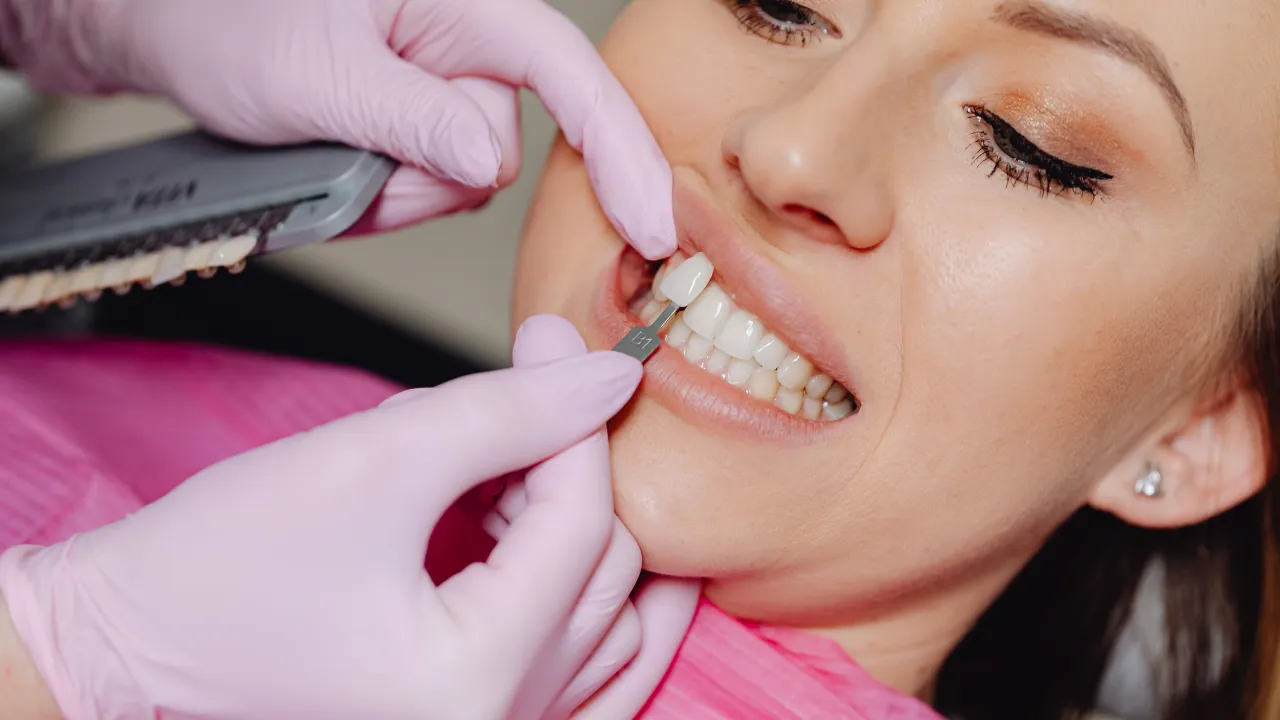
Some people are tempted to glue a chipped tooth back with superglue or craft adhesives. This is highly unsafe. These glues are toxic and can cause permanent damage to oral tissues.
Why Filing the Tooth at Home is Unsafe
A chipped tooth may feel rough, but attempting to file or sand it at home can only make things worse. You risk exposing sensitive dentin, increasing tooth sensitivity, and opening pathways for bacteria.
Internet Hacks that May Cause More Harm than Good
From lemon juice to DIY enamel kits, online quick fixes are misleading. Acidic substances can further weaken enamel, and inexpensive kits are not medically approved. As the American Dental Association advises, dental treatments should only be done under professional supervision.
Bottom line: Safe, temporary home remedies are fine, but avoid anything that could worsen the problem.
When to Seek Professional Help
Signs of Infection or Pulp Exposure
If the chipped tooth exposes the inner pulp, you may experience severe pain, bleeding, or visible pink tissue. This is a dental emergency and requires urgent care.
Persistent Pain, Swelling, or Bleeding
Even if the chip seems minor, ongoing pain, swelling, or bleeding may indicate deeper damage. According to the Mayo Clinic, untreated tooth injuries can lead to infections and abscesses that spread.
Cosmetic vs. Urgent Dental Repair Options
Small cosmetic chips may not require immediate treatment, but deep cracks or pulp exposure should never be delayed. If you’re unsure, it’s always best to call your dentist.
Professional Dental Treatments Compared
Dental Bonding and Resin Fillings
For small chips, dentists often use bonding. This involves applying a tooth-colored resin to restore the tooth’s shape and protect it. It’s quick, affordable, and usually done in one visit.
Veneers and Crowns
For front teeth or larger chips, dentists may suggest veneers (thin porcelain shells) or crowns (caps). These options not only restore function but also improve appearance.
Root Canal or Extraction for Severe Damage
If a chip exposes the pulp and infection sets in, a root canal may be necessary. In rare cases, if the tooth cannot be saved, extraction is required. As the Cleveland Clinic explains, treatment depends on the severity and location of the damage.
Preventing Future Tooth Chips
Nutrition for Strong Enamel
Strong teeth begin with strong nutrition. Foods rich in calcium (dairy, leafy greens) and vitamin D (fish, eggs, sunlight) support enamel health. Collagen also plays a role in strengthening the dentin under enamel.
Lifestyle tips
Avoid using your teeth as tools; refrain from cracking nuts, chewing ice, or opening bottles with them. If you grind your teeth at night, wear a mouthguard to prevent microfractures.
Oral hygiene practices to reduce decay risk
Regular brushing, flossing, and use of fluoride rinses can lower your risk of cavities and decay. Since weakened teeth are more prone to chipping, maintaining their health is your best prevention strategy.
Conclusion
Chipping a tooth can feel alarming, but it’s more common than most people think. While natural remedies and home care can help manage pain and temporarily protect the tooth, they cannot repair the enamel. Science is precise: once enamel is lost, it does not regrow. Instead, natural methods such as saltwater rinses, clove oil, garlic, turmeric, and soft-food diets play a supportive role by easing discomfort and reducing the risk of infection until you can reach a dentist.
Professional care is always the long-term solution. Dentists can repair chipped teeth using bonding, veneers, crowns, or root canals, depending on the severity of the damage. The sooner you begin treatment, the easier and often cheaper it will be to resolve.
At the same time, prevention is just as important. Good oral hygiene, protective habits like wearing mouthguards, and a nutrient-rich diet rich in calcium and Vitamin D helps support your teeth and reduce the risk of future chips.
If you’ve chipped a tooth, don’t panic. Follow immediate home-care steps, use natural remedies for temporary relief, and book an appointment with your dentist. By combining short-term natural solutions with long-term professional repair, you’ll protect your smile and prevent complications.
FAQs
1. Can you heal a chipped tooth without a dentist?
No. You can ease discomfort and protect the tooth temporarily, but only a dentist can repair it permanently.
2. Is a chipped tooth an emergency?
Not always. A small chip may not be urgent, but pain, bleeding, or signs of infection mean you need immediate care.
3. What foods should I avoid with a chipped tooth?
Avoid hard foods such as nuts, candy, ice, and popcorn kernels. Stick to softer foods to prevent further damage. For a comprehensive list, refer to our guide on soft foods after wisdom teeth removal.
4. How long can I wait before seeing a dentist?
If it’s painless and small, you can usually wait a few days. However, if it hurts or appears to be deep, don’t delay; book a dentist visit immediately.
5. Can enamel grow back naturally?
No. Enamel cannot regenerate. However, remineralization through fluoride, calcium, and a balanced diet can strengthen the surrounding enamel and protect the tooth.