This article is written by Dr. Bilal Raees Qureshi, a practicing dentist with 8+ years of experience at Z Care Dental Experts.
Tooth pain is one of the most unbearable discomforts a person can face. Unlike a minor headache or muscle ache that you can ignore, a toothache has a way of radiating through your jaw, head, and even your entire body. One common cause of dental pain is a tooth infection. This happens when harmful bacteria invade the soft inner tissue of the tooth, leading to inflammation, pus buildup, and intense pain.
Dentists typically treat tooth infections with procedures like root canals, tooth extractions, or by prescribing antibiotics for tooth infections. However, not everyone has immediate access to dental care. In such situations, natural remedies can provide temporary relief, helping to manage pain and slow down the spread of bacteria until proper treatment is available.
This article explores safe and effective natural remedies for tooth infection, supported by scientific research and traditional practices. You’ll also learn when natural remedies are enough, when they’re not, and why ignoring a tooth infection is never a good idea.
We’ll also discuss how certain foods, herbs, and lifestyle practices can reduce your risk of infections and keep your mouth healthy for the long term. Because oral health is closely linked to overall health, some of these remedies may even offer benefits beyond your teeth.
By the end, you’ll have a complete, practical guide that balances traditional wisdom with modern dental advice—helping you care for your oral health naturally and responsibly.
What Is a Tooth Infection?
A tooth infection, or dental abscess, occurs when bacteria penetrate the tooth through a cavity, crack, or gum pocket. Inside the tooth lies the pulp—a soft tissue of blood vessels, connective tissue, and nerves. Once bacteria reach this area, the body reacts with inflammation, leading to the painful buildup of pus.
There are different types of dental abscesses:
- Periapical abscess: infection at the root of the tooth.
- Periodontal abscess: an infection in the gums near the tooth root.
- Gingival abscess: infection in the surface gum tissue.
Typical symptoms of a tooth infection include:
- Persistent, throbbing toothache
- Swelling in the gums or face
- Sensitivity to hot or cold foods
- Bad breath or a foul taste in the mouth
- Fever (in severe cases)
If untreated, the infection can spread beyond the tooth into the jawbone, neck, or even the bloodstream, leading to a potentially life-threatening condition called sepsis.
While natural remedies can reduce bacterial load and provide comfort, they cannot reverse the root cause if the pulp is severely infected. This is why dental professionals stress the importance of seeking treatment early.
Still, in many cultures, natural remedies have been used for generations to manage dental infections, and some modern research validates their antibacterial, anti-inflammatory, and pain-relieving effects. The key is knowing which natural remedies work, and when to use them safely alongside professional care.
Why Consider Natural Remedies for Tooth Infection?
Why do people still use natural remedies if modern dentistry offers antibiotics and surgical solutions? The reasons are both practical and cultural.
1. Accessibility
Not everyone has immediate access to a dentist. Remote areas, financial constraints, or sudden nighttime pain can make natural remedies the first relief line until professional care is available.
2. Concerns About Antibiotic Overuse
Antibiotics are lifesaving, but their overuse has led to global antibiotic resistance. For minor infections or symptom management, many prefer natural alternatives that don’t contribute to this growing problem.
3. Fewer Side Effects
Pharmaceutical antibiotics and painkillers can cause side effects like digestive upset, allergic reactions, or interactions with other medications. Natural remedies, when used correctly, are generally gentler.
4. Holistic Approach
Natural remedies often support overall health, not just symptom relief. For example, turmeric fights inflammation throughout the body, and honey boosts immunity while soothing oral tissues.
5. Cultural & Traditional Practices
Across Asia, Africa, and indigenous cultures, remedies like clove oil, garlic, and saltwater rinses have been passed down for centuries. Modern science now confirms many of these traditional practices.
That said, natural remedies have limitations. They can:
- Relieve pain temporarily
- Slow bacterial growth
- Reduce inflammation
But they cannot repair a decayed tooth or fully drain an abscess. Ignoring dental infections with the hope that home remedies cure them is dangerous. Instead, think of these remedies as complementary care, not replacements.
Top Natural Remedies for Tooth Infection
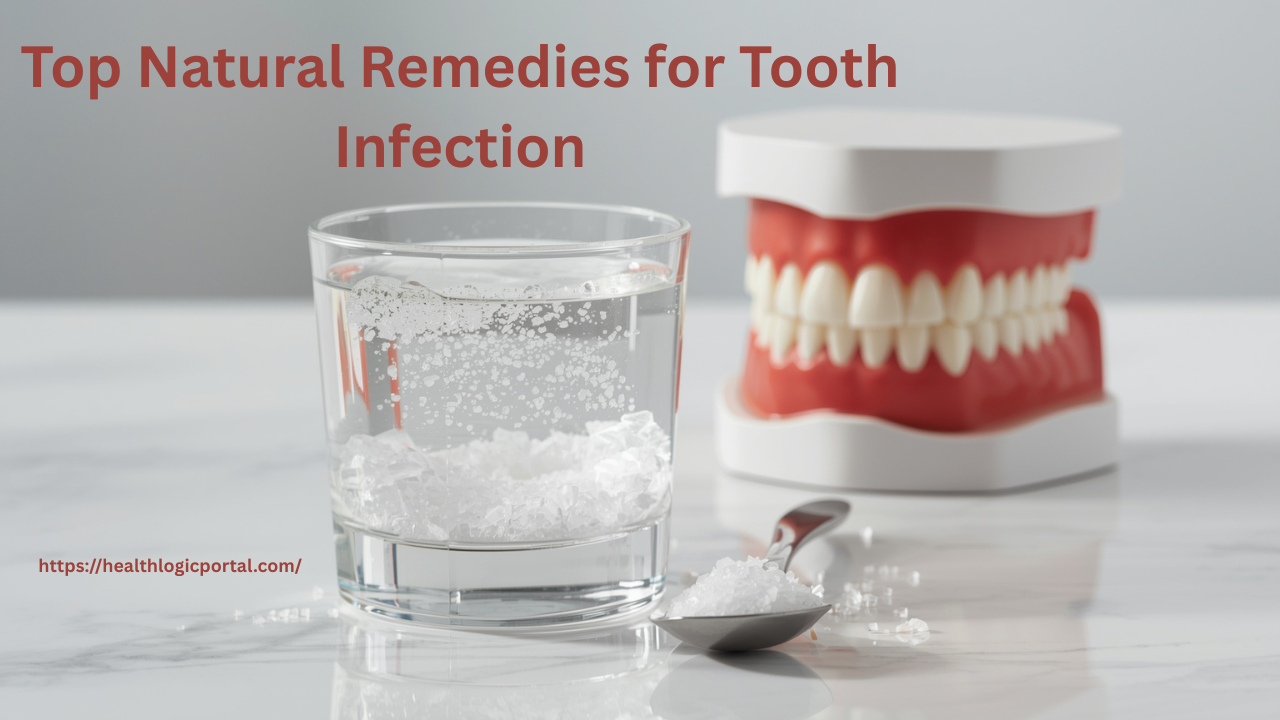
Let’s now explore the most effective natural remedies, backed by tradition and research. These can help ease discomfort and manage infection symptoms while you arrange for dental treatment.
1. Saltwater Rinse
Perhaps the simplest yet most effective natural remedy is the saltwater rinse. Salt is naturally antibacterial and creates an environment where bacteria struggle to thrive. It also helps draw out pus and reduce swelling in the gums.
How it Works:
Salt temporarily increases the pH level inside the mouth, making it harder for bacteria to survive. At the same time, the warm water improves blood circulation in the gums, speeding up healing.
How to Use:
- Mix ½ teaspoon of salt in one glass of warm water.
- Swish it in your mouth for 30–60 seconds, ensuring it reaches the infected area.
- Spit it out (do not swallow).
- Repeat 2–3 times a day.
Why It Helps:
- Reduces gum swelling
- Cleans away food particles and pus
- Soothes irritation in infected tissues
Saltwater rinses are beneficial for people recovering from dental surgery. Because of their gentle cleansing effect, they are often recommended after procedures like wisdom tooth removal.
2. Garlic
Garlic isn’t just a kitchen staple—it’s one of nature’s most potent natural antibiotics. Multiple studies have shown its active compound, allicin, to kill harmful bacteria, fungi, and even viruses.
How it Works:
Allicin is released when garlic is cut or crushed. It has powerful antibacterial effects against Streptococcus mutans, the main bacteria responsible for cavities and tooth infections.
How to Use:
- Crush a fresh clove of garlic to release allicin.
- Apply directly to the infected tooth or gum.
- Alternatively, chew the clove slowly to let the juices spread.
For those who dislike the strong taste, garlic capsules can provide similar benefits, though direct application works faster for oral infections.
Benefits:
- Natural antibacterial activity
- Immune-boosting effects
- Anti-inflammatory support
Garlic does have a strong odor and may cause a slight burning sensation on the gums, but this usually passes quickly.
3. Clove Oil
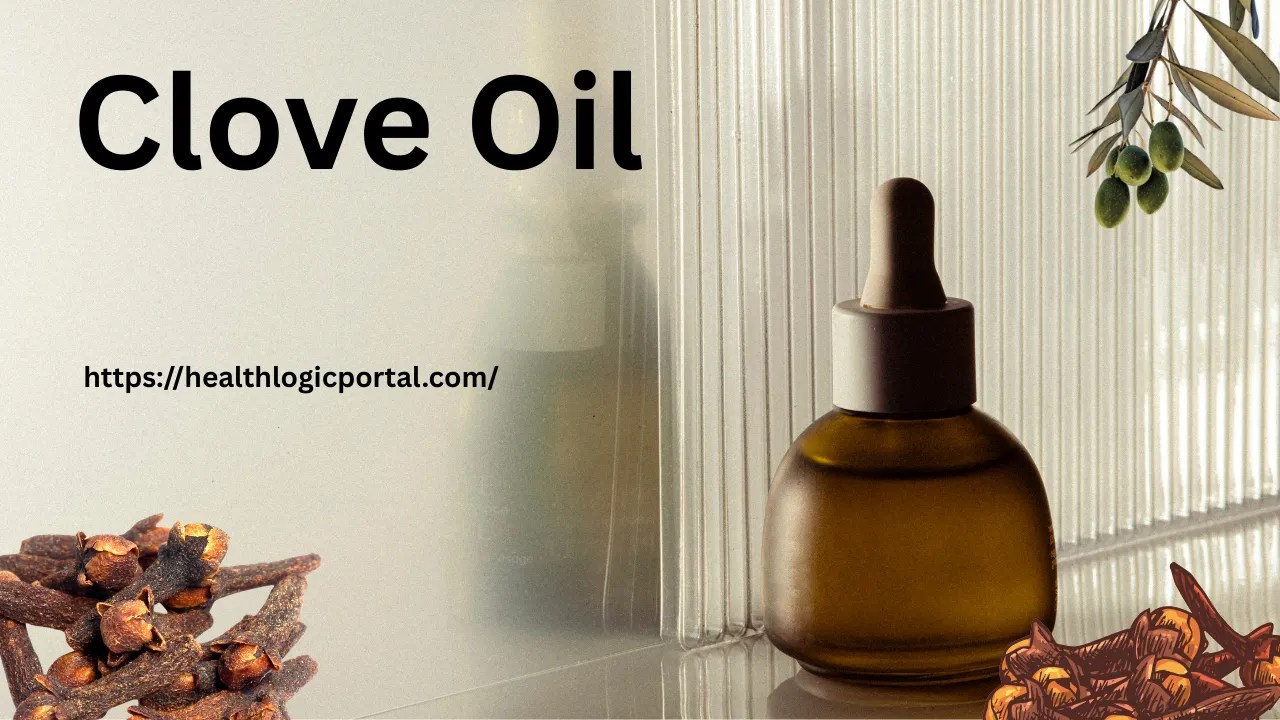
Since ancient times, clove oil has been utilized in dentistry. In fact, before modern anesthetics, clove oil was the go-to remedy for dental pain. Its effectiveness comes from eugenol, a compound with natural pain-numbing and antibacterial properties.
How it Works:
Eugenol blocks nerve signals, reducing pain perception. It also inhibits bacterial growth, making it doubly effective for infections.
How to Use:
- Combine a small amount of clove oil with a carrier oil, such as olive or coconut oil.
- Dip a cotton ball in the mixture.
- Place it gently on the infected tooth or gum.
- Leave for 10–15 minutes, then remove.
Benefits:
- Provides instant numbing relief
- Kills bacteria at the infection site
- Reduces inflammation in the gums
Clove oil works as a short-term pain reliever, especially helpful at night when tooth pain tends to worsen.
4. Turmeric
Known as the “golden spice,” turmeric contains curcumin, a potent anti-inflammatory and antibacterial compound. Turmeric has been used in Ayurvedic medicine for thousands of years, and recent research supports its role in oral health.
How it Works:
Curcumin reduces swelling in the gums and helps fight bacterial infections. It also prevents oxidative stress, which supports faster healing.
How to Use:
- To make a paste, combine turmeric powder with a few drops of water.
- Apply directly to the infected area and leave for 10 minutes.
- Rinse with warm water afterward.
You can also drink turmeric tea or take it in supplement form to boost your overall immunity.
Benefits:
- Reduces pain and swelling
- Fights bacteria inside the mouth
- Supports long-term gum health
Turmeric may stain the teeth temporarily, but this is harmless and fades with regular brushing.
5. Honey
Raw honey, particularly Manuka honey, has well-documented antibacterial properties. It reduces bacterial activity while soothing irritated tissues.
How it Works:
When applied to wounds, honey produces hydrogen peroxide in small amounts, creating a natural disinfectant effect. It also maintains moisture, preventing tissues from drying out and worsening irritation.
How to Use:
- Apply a small dab of raw honey directly to the infected gum or tooth.
- Alternatively, mix honey with warm water to create a soothing rinse.
- Repeat 2–3 times daily.
Benefits:
- Natural antibacterial properties
- Reduces swelling and pain
- Boosts immune defense against infection
Honey is also beneficial beyond oral health. For instance, honeycomb has unique health benefits supporting digestion, immunity, and heart health.
6. Oil Pulling with Coconut Oil
Oil pulling is an ancient Ayurvedic practice that involves swishing oil in the mouth to “pull” out toxins and bacteria. Coconut oil is the most popular choice due to its pleasant taste and antibacterial properties, particularly against Streptococcus mutans, the bacteria commonly linked to tooth decay and infection.
How It Works:
Coconut oil contains lauric acid, which has antimicrobial and anti-inflammatory effects. When swished around the mouth, it binds to bacteria and toxins, helping remove them from gum pockets and tooth surfaces.
How to Use:
- Take one tablespoon of coconut oil.
- For ten to fifteen minutes, swirl it around in your mouth.
- Spit it out (never swallow, as it contains trapped bacteria).
- Use warm water to rinse your mouth, then brush as normal.
Benefits:
- Reduces harmful bacteria
- Improves gum health
- May whiten teeth naturally
- Freshens breath
Unlike harsher mouthwashes, oil pulling is gentle and safe for daily use. Many people notice reduced plaque buildup after just a few weeks. While it may not cure a tooth infection alone, it can complement other remedies and improve oral hygiene.
Interestingly, foods rich in natural compounds like water apples also have antimicrobial effects, making dietary support an important part of oral health care.
7. Oregano Oil
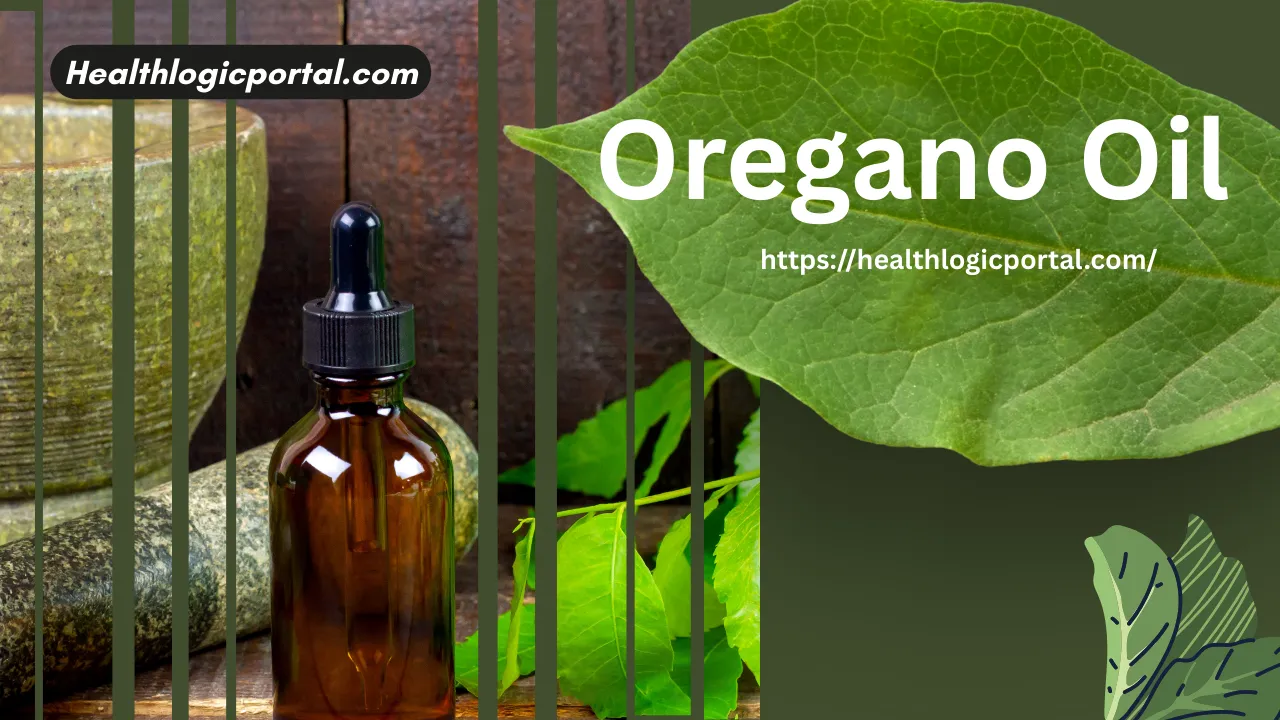
Oregano oil is one of the most potent natural essential oils for fighting infections. Its active ingredient, carvacrol, has been shown in scientific studies to kill bacteria, fungi, and even some viruses.
How It Works:
Carvacrol penetrates bacterial cell walls, disrupting their structure and stopping them from multiplying. This makes oregano oil particularly useful for oral infections where harmful bacteria thrive.
How to Use:
- Mix 1–2 drops of oregano oil with a teaspoon of a carrier oil (like olive oil).
- Apply directly to the infected tooth or gum using a cotton swab.
- Alternatively, add a drop to warm water and use as a mild mouth rinse.
Benefits:
- Strong antibacterial action
- Reduces inflammation in the gums
- Supports immune function
However, oregano oil is powerful and should never be undiluted, as it irritates the gums. Pregnant women should also avoid using it without consulting a healthcare provider.
While oregano oil offers significant relief, remember that persistent infections require dental attention. If ignored, diseases can spread rapidly, as explained in how long until a tooth infection kills you?.
8. Aloe Vera Gel
Aloe vera is well-known for soothing burns and skin irritations, but also offers powerful oral health benefits. Its gel contains antibacterial and anti-inflammatory compounds, making it effective against gum infections and mouth sores.
How It Works:
Aloe vera contains compounds like acemannan and anthraquinones, which have antibacterial and wound-healing properties. It helps reduce swelling and speeds up the healing of infected gum tissues.
How to Use:
- Use fresh aloe vera gel directly from the plant.
- Apply a small amount to the infected gum or tooth area.
- Leave it on for 10–15 minutes before rinsing.
Benefits:
- Reduces pain and gum swelling
- Promotes tissue healing
- Helps prevent further bacterial growth
Aloe vera can also be consumed as juice, which may support systemic immunity and digestion. Just as plants like soursop leaves provide whole-body health benefits, aloe vera is another example of how natural remedies can improve oral and overall wellness.
9. Peppermint Tea or Oil
Peppermint has long been valued for its refreshing taste and medicinal benefits. The compound menthol in peppermint has a cooling effect, making it an excellent natural pain reliever for tooth infections.
How It Works:
Menthol numbs the nerve endings, reducing pain sensitivity. Peppermint also has mild antibacterial properties that help control bacteria in the mouth.
How to Use:
- Brew peppermint tea and allow it to cool slightly before sipping or using it as a mouth rinse.
- Apply diluted peppermint oil (mixed with carrier oil) to the affected area using a cotton ball.
- Press a cooled peppermint tea bag directly against the sore gum for quick relief.
Benefits:
- Temporary pain relief
- Freshens breath naturally
- Reduces minor gum irritation
Peppermint tea is a soothing option at night, when tooth pain often worsens and makes sleep difficult. It’s safe for most people, including children and pregnant women, when used in moderate amounts.
For those seeking dietary support, herbs and spices like peppermint and jalapeños add flavor while delivering surprising health benefits.
10. Cold Compress
Unlike herbal remedies, a cold compress doesn’t fight bacteria directly, but it’s one of the best ways to manage pain and swelling from a tooth infection. Applying cold to the cheek helps constrict blood vessels, numbing pain, and reducing inflammation.
How It Works:
Cold therapy slows blood flow to the affected area, reducing swelling and numbing nerve activity. This can provide instant relief, especially for infections that cause visible facial or jaw swelling.
How to Use:
- Wrap ice cubes or a cold pack in a clean towel.
- Apply to the outside of the cheek near the infected tooth.
- Hold for 15–20 minutes, with breaks in between.
Benefits:
- Quick pain relief
- Reduces facial swelling
- Safe for all ages
A cold compress is handy with other remedies like saltwater rinses or clove oil. While it doesn’t cure the infection, it makes the pain more manageable until proper treatment is received.
This approach is similar to using lifestyle adjustments to support health conditions. For instance, just as choosing the healthiest wine can support heart health, applying cold compresses can complement natural remedies for oral care.
User Experiences
1. A Quora user, Komal Borge, shared that for many people a saltwater flush works as the first line of defense against toothache. She also mentioned that a hydrogen peroxide rinse can help ease pain and swelling. According to her, simple home remedies such as cold compresses, peppermint tea bags, garlic, vanilla extract, cloves, and even guava leaves may also bring temporary relief until professional dental help is available.
2. Another user, Alena Yarchuk, suggested that if for some reason you cannot take painkillers, a baking soda rinse is an excellent option. She recommends mixing half a teaspoon of baking soda in a glass of water and rinsing thoroughly. She also advised not to eat or drink anything for at least 30 minutes after rinsing, so the effect lasts longer. Interestingly, she pointed out that this rinse works not only for tooth pain but also for a sore throat.
3. Similarly, Tejaswini Dutta shared that cloves are one of the fastest ways to get relief from toothache. She explained that chewing a clove or dipping a small cotton ball in clove oil and placing it on the affected tooth can provide quick pain relief. However, she also cautioned against using too much oil at once, as it may irritate the gums.
11. How to Prevent Tooth Infections Naturally
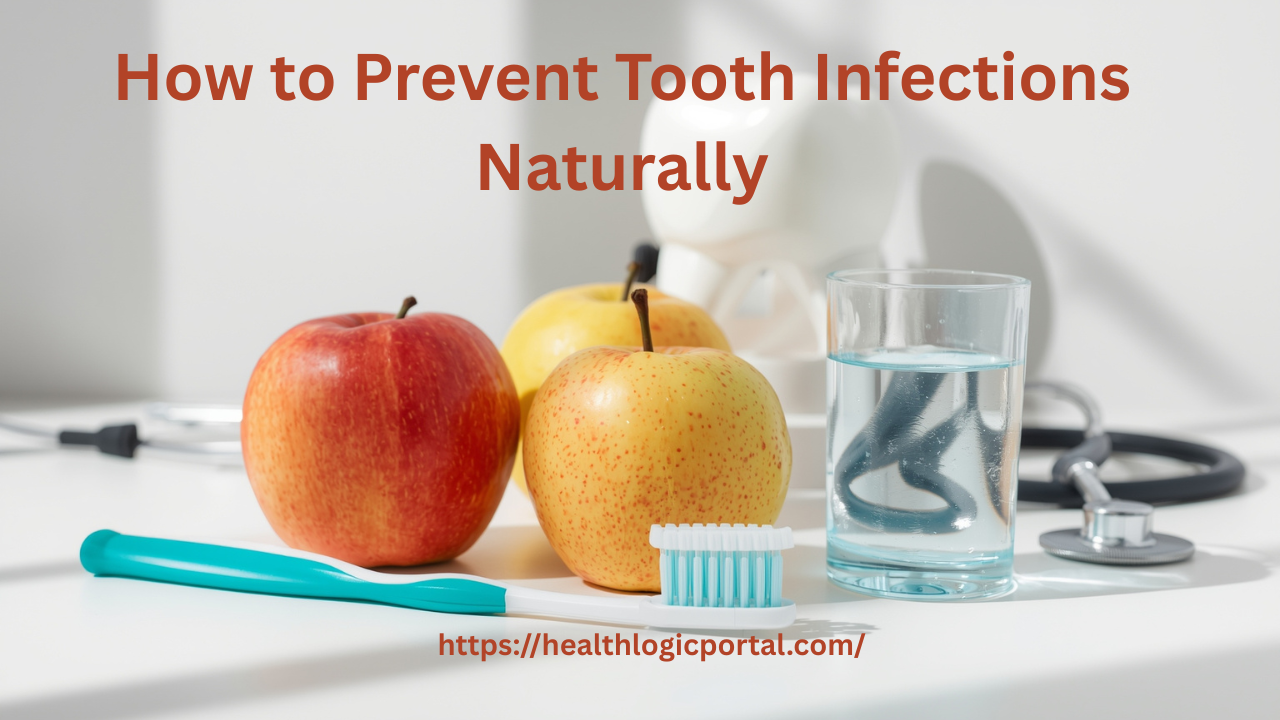
Prevention is always better than cure, and this is especially true for dental infections. A tooth infection doesn’t happen overnight—it develops over time due to cavities, gum disease, or poor oral hygiene. You can significantly lower your risk by adopting simple daily habits and lifestyle practices.
1. Maintain Proper Oral Hygiene
- Brush your teeth at least twice daily with fluoride toothpaste.
- Floss once a day to remove food particles between teeth.
- Rinse with an antibacterial mouthwash to reduce bacterial buildup.
2. Eat a Balanced Diet
Nutrition plays a huge role in oral health. Foods rich in vitamins A, C, and D support gum strength and immune function. Fruits like apples and water-rich options like water apple help clean teeth naturally while providing antioxidants.
3. Limit Sugary Foods and Beverages
Sugar feeds harmful bacteria in the mouth, leading to cavities. Cutting down on sodas, candies, and processed snacks helps prevent decay.
4. Stay Hydrated
Drinking plenty of water helps wash away food particles and keeps saliva production steady. Saliva is the mouth’s natural defense against bacteria.
5. Regular Dental Check-ups
Even with natural remedies, professional cleaning and early detection of cavities are crucial. Dentists can spot problems before they turn into infections.
Combining natural oral care with professional dentistry creates a strong defense against tooth infections. Prevention saves you from pain and spares you the high cost of emergency dental procedures.
12. Possible Risks of Using Only Natural Remedies
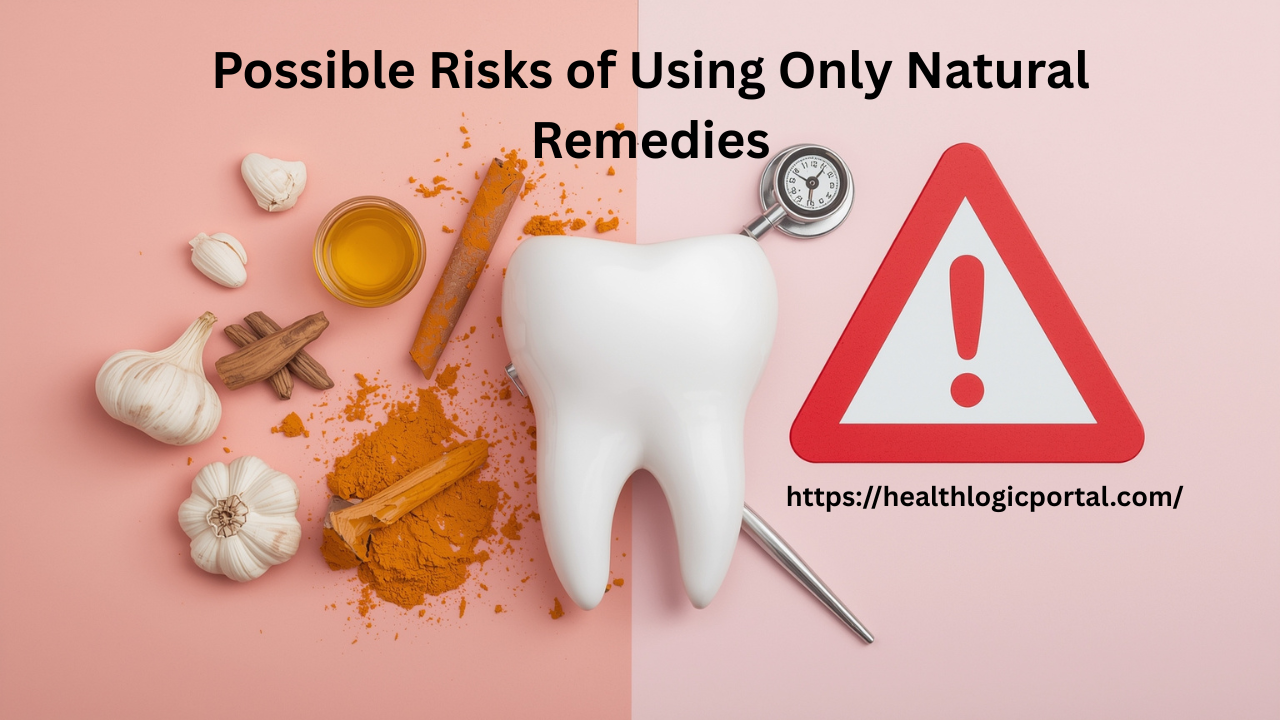
While natural remedies are valuable, relying on them alone to treat a tooth infection can be risky. Many people delay visiting a dentist, thinking home remedies will cure the disease completely—but this can have serious consequences.
Why Natural Remedies May Fall Short:
- They can reduce pain and swelling, but don’t eliminate the underlying cause, such as a decayed tooth or infected pulp.
- Bacteria may temporarily be suppressed, but quickly multiply once the effect disappears.
- Some remedies, like essential oils, can cause gum irritation if misused.
Risks of Ignoring Professional Care:
- The infection may spread to the jaw, sinuses, or bloodstream.
- Severe infections can lead to sepsis, a life-threatening condition.
- Tooth loss is common if the infection isn’t addressed early.
As explained in How long until a tooth infection kills you, untreated dental abscesses can escalate within days or weeks.
The Takeaway:
Use natural remedies as supportive measures, but don’t let them replace dental care. If symptoms worsen—such as facial swelling, fever, or difficulty swallowing—seek immediate medical attention. Natural healing works best alongside professional treatment, not instead of it.
13. The Role of Diet in Oral Health
Your diet directly influences your oral health. Every bite you take either supports or harms your teeth and gums. Understanding this connection can help prevent infections and speed up healing when they do occur.
Foods That Promote Oral Health:
- Fiber-rich fruits and vegetables: Stimulate saliva flow, which naturally cleanses the mouth.
- Dairy products: Cheese and yogurt provide calcium and casein, strengthening enamel.
- Probiotics: Fermented foods like yogurt or drinks such as Yakult promote healthy oral bacteria balance.
- Green tea: Contains catechins, which reduce oral bacteria and inflammation.
Foods to Limit or Avoid:
- Sugary snacks and sodas: Feed harmful bacteria, leading to cavities.
- Highly processed carbs: White bread and chips stick to teeth, increasing decay risk.
- Acidic foods and drinks: Citrus fruits, wine, and soda erode enamel over time.
Hydration Matters:
Water keeps your mouth clean and prevents dry mouth, which increases infection risk. Herbal teas, like peppermint, also provide natural antibacterial benefits.
Choosing whole, nutrient-rich foods and limiting processed ones creates an environment where harmful bacteria struggle to survive. This protects your teeth and strengthens your immune system to fight infections more effectively.
14. When to See a Dentist Immediately
While natural remedies can bring relief, waiting can be dangerous. A tooth infection can quickly spread beyond the oral cavity, so recognizing warning signs is critical.
Seek urgent dental care if you experience:
- Swelling of the face, jaw, or neck
- Severe, throbbing pain that doesn’t improve with remedies
- Fever, chills, or general weakness
- Difficulty breathing, swallowing, or opening your mouth
- Pus discharge or a foul taste in your mouth
Why Urgency Matters:
A localized infection can usually be managed with a root canal, antibiotics, or extraction. But if bacteria spread to the bloodstream or nearby tissues, it becomes a medical emergency.
Even if natural remedies temporarily reduce symptoms, you must still see a dentist to treat the source of infection. Delaying professional care can turn a manageable dental issue into a life-threatening condition.
Remember: Natural remedies are supportive, not curative, for advanced infections. A dentist has the tools to eliminate the cause safely and permanently.
15. Lifestyle Habits That Support Healthy Teeth and Gums
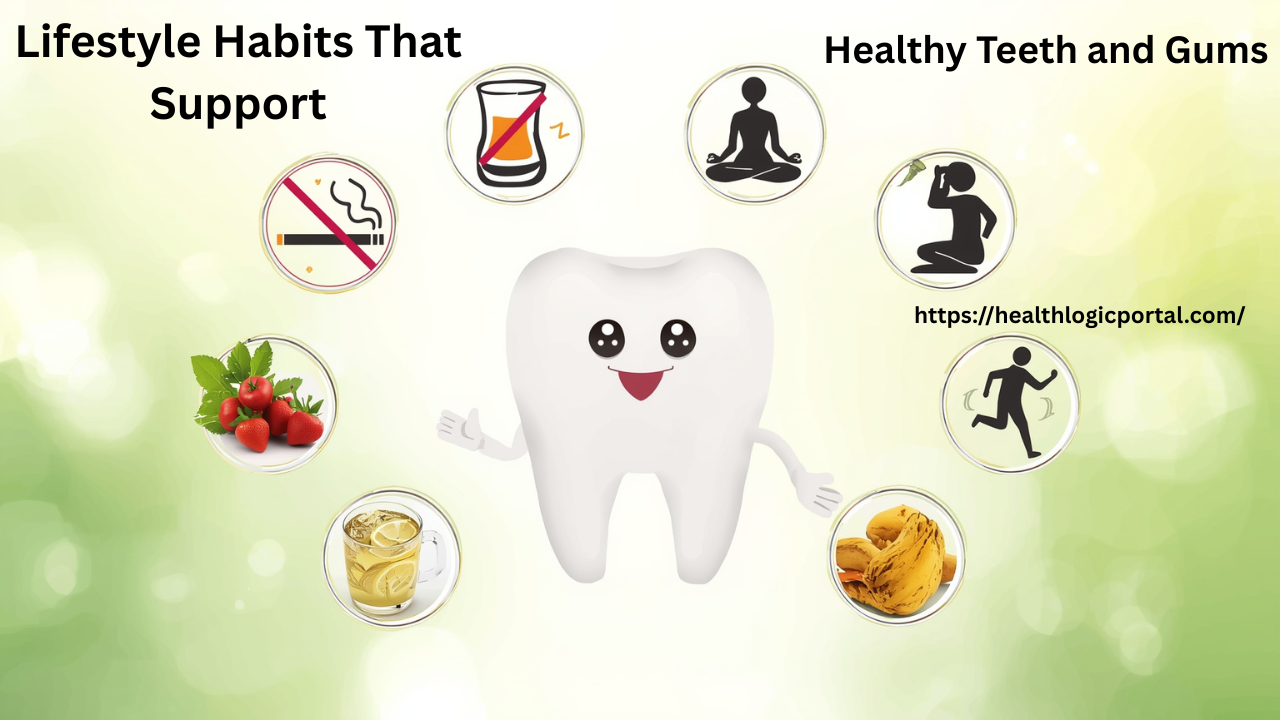
Beyond remedies and diet, your daily lifestyle choices play a massive role in oral health. When practiced consistently, small habits can prevent infections and keep your smile healthy for years.
1. Quit Smoking and Limit Alcohol
Smoking weakens gum tissues and reduces blood flow, making infections harder to heal. Alcohol dries out the mouth, reducing saliva flow and increasing bacterial growth.
2. Manage Stress
Stress can lead to teeth grinding (bruxism), which cracks enamel and makes teeth vulnerable to infection. Relaxation techniques like meditation or yoga can help.
3. Stay Active
Regular exercise improves blood circulation, including in the gums, enhancing the body’s ability to fight infection naturally.
4. Get Adequate Sleep
Poor sleep weakens the immune system, making you more susceptible to infections, including dental ones. Sleep hygiene is essential not just for oral health but also overall well-being.
5. Incorporate Natural Remedies Daily
Instead of waiting for infections, use preventive natural aids. For example, a turmeric rinse once a week, or sipping herbal teas, helps maintain oral health proactively.
Just as incorporating natural drinks like the best juices for gut health can improve digestion, adopting daily oral-friendly habits can dramatically lower your risk of tooth infections.
Frequently Asked Questions (FAQs)
1. Can natural remedies cure a tooth infection entirely?
No. Natural remedies can ease symptoms and slow bacterial growth, but don’t eliminate the root cause. A decayed or infected pulp usually requires dental treatment such as a root canal, antibiotics, or extraction.
2. Which natural antibiotic is the most effective in treating tooth infections?
Garlic, clove, and oregano oils are among the strongest natural options, thanks to their antibacterial compounds. However, they are less potent than prescription antibiotics for tooth infections when curing severe cases.
3. Can I use natural remedies during pregnancy?
Yes, some natural remedies, such as saltwater rinses, honey, and aloe vera, are safe. However, avoid strong essential oils like oregano or clove oil unless recommended by a healthcare provider.
4. How can I prevent future tooth infections naturally?
Brush twice daily, floss once a day, and limit sugary foods. Eat immunity-boosting foods like fresh fruits, vegetables, and probiotics such as Yakult. Regular dental visits are also essential for early detection.
5. What should I do if my tooth infection is excruciating at night?
Use a cold compress to numb the area, rinse with warm saltwater, or apply diluted clove oil to the affected tooth. These remedies can make pain more manageable until you can see a dentist.
Conclusion
A tooth infection is never something to ignore. While natural remedies like garlic, clove oil, turmeric, honey, and saltwater rinses can bring significant relief, they are not a substitute for professional dental care. These natural solutions work best as supportive measures—reducing bacterial load, soothing inflammation, and managing pain until you can see a dentist.
At the same time, prevention is the best strategy. By maintaining good oral hygiene, eating a nutrient-rich diet, and adopting healthy lifestyle habits, you can significantly reduce your risk of infections in the first place. Incorporating natural foods and remedies into your daily routine, much like you would for boosting immunity or digestion, adds an extra layer of protection.
Ultimately, the most innovative approach combines the wisdom of natural remedies with modern dentistry. Use remedies to manage discomfort, but never delay seeking professional help if symptoms persist or worsen. With this balanced strategy, you can protect both your teeth and your overall health.