This article is written by Dr. Bilal Raees Qureshi, a practicing dentist with 8+ years of experience at Z Care Dental Experts.
When it comes to oral health, one of the biggest concerns for most people is plaque build-up. It’s a sticky, colorless film that constantly forms on your teeth, even within hours after brushing. While professional cleanings are sometimes necessary, there are also many natural ways to remove plaque from teeth that you can use at home as part of your daily routine. The goal of this guide is to explain what plaque is, why it matters, and how you can safely and effectively manage it using both simple home remedies and science-backed strategies.
What is Dental Plaque and How Does it Develop?
Plaque is a soft, sticky layer of bacteria that builds up on your teeth when sugars and starches from food mix with the natural bacteria already present in your mouth. Every time you eat or drink, especially foods high in sugar, these bacteria release acids that attack tooth enamel. If this process occurs repeatedly and Plaque that isn’t properly cleaned can calcify over time, turning into tartar, a more stubborn form of buildup that requires professional cleaning.
The process is surprisingly quick. In fact, plaque can begin forming within just four to twelve hours after brushing your teeth. This is why dental professionals emphasize brushing twice a day and flossing once daily. Left unchecked, plaque doesn’t just make your teeth feel fuzzy: it also increases the risk of cavities, gum disease, and bad breath.
Many people search for home remedies for plaque removal because they want simple, natural ways to maintain a healthier smile without relying only on dental visits. Brushing, flossing, and using natural solutions like baking soda or saltwater rinses are common approaches that can help reduce plaque when used consistently.
Difference Between Plaque and Tartar (Calculus)
It’s important to understand the difference between plaque and tartar. While plaque is soft and can be removed at home with brushing and flossing, tartar (also known as calculus) is hardened plaque that has mineralized due to the action of saliva. Tartar typically forms around the gumline and between teeth, and unlike plaque, it cannot be removed with a toothbrush or floss.
Once tartar forms, you’ll need a dentist or hygienist to perform a professional cleaning, known as scaling, to remove it safely. Trying to scrape tartar off your teeth at home using metal tools can cause severe damage to your enamel and gums. That’s why natural methods are most effective at preventing plaque from hardening into tartar in the first place.
This distinction is crucial because many people searching for how to remove tartar at home or natural remedies for tartar removal might not realize that only fresh plaque can be managed naturally at home. Recognizing this difference helps you set realistic expectations about what natural methods can achieve and when it’s time to book a dental visit.
Why Removing Plaque Naturally Is Important
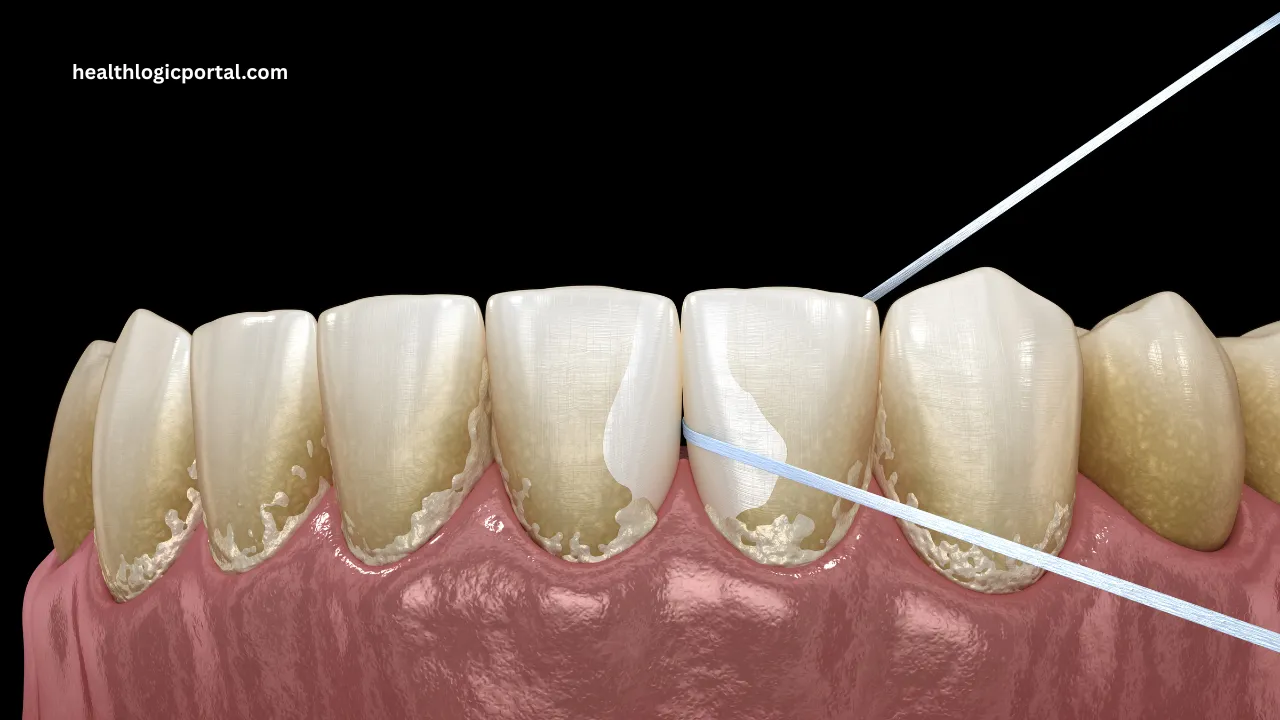
Why not leave plaque and let the dentist handle it every six months? The problem is that plaque builds up daily, and even missing just a few days of proper oral care can lead to hardened deposits, gum irritation, and eventual tooth decay.
By practicing natural plaque removal at home, you can:
- Keep your teeth feeling cleaner and smoother between dental visits.
- Protect your gums by reducing the likelihood of gingivitis.
- Prevent persistent bad breath caused by bacterial buildup.
- Save money by reducing the need for frequent or intensive dental treatments.
Natural methods like baking soda toothpaste, oil pulling, and saltwater rinses provide extra support to daily brushing and flossing. They are not replacements for professional care, but they can make a significant difference in maintaining your mouth’s health every day.
Ultimately, the best natural ways to remove plaque from teeth involve a combination of good oral hygiene, wise dietary choices, and safe, evidence-based remedies. This guide will walk you through these approaches step by step, highlighting what truly works and what to avoid.
The Limitations of At-Home Plaque Removal
When people search for home remedies for plaque, they often hope for a quick fix. The truth is that while you can remove soft plaque at home, hardened plaque, also known as tartar, requires professional care. This is where many online tips can be misleading. Remedies like vinegar rinses or DIY scraping tools might sound appealing, but they can do more harm than good if not used carefully.
What You Can Remove at Home vs. What Needs a Dentist
Daily oral care is the most effective way to control plaque before it hardens. Simple habits like brushing twice a day, flossing, and using natural options such as baking soda toothpaste or saltwater rinses can make a real difference. According to Healthline, baking soda toothpaste has been shown in clinical studies to improve plaque removal compared to standard formulations.
However, once plaque turns into tartar, it bonds firmly to the teeth and can’t be brushed away. The Mayo Clinic notes that tartar removal requires professional scaling by a dentist or hygienist. Trying to manage tartar at home is not only ineffective but may delay necessary treatment.
Think of it this way: plaque is like dust that you can wipe away with a cloth, but tartar is more like hardened cement that you’ll need special tools to remove. If tartar is ignored, it can lead to gum disease, cavities, and infections. In severe cases, untreated infections can become life-threatening, as explained in our guide on how long it takes for a tooth infection to be fatal.
Risks of DIY Plaque Scraping Tools
Many people are tempted to buy dental scrapers online, thinking they can remove tartar themselves. The Cleveland Clinic warns against this practice because using sharp tools without training can scratch enamel, injure gums, and even cause infections. Instead of cleaning your teeth, you could end up creating long-term damage.
Similarly, using acidic home remedies like vinegar or lemon juice may temporarily soften buildup but at a steep cost. Research shows that acids erode enamel, and once enamel is lost, it doesn’t grow back. Natural care should focus on prevention, including daily brushing, flossing, and safe rinsing, rather than taking shortcuts that are risky.
If you notice yellow or brown buildup around your gumline, it’s a sign to see a dentist. Early action protects your oral health and prevents more serious (and expensive) treatments later. For example, when plaque is left unchecked, it can weaken teeth and lead to chips or cracks. If this happens, our guide on how to fix a chipped tooth naturally offers gentle strategies to support your dental care until you see a professional.
Daily Oral Hygiene Habits
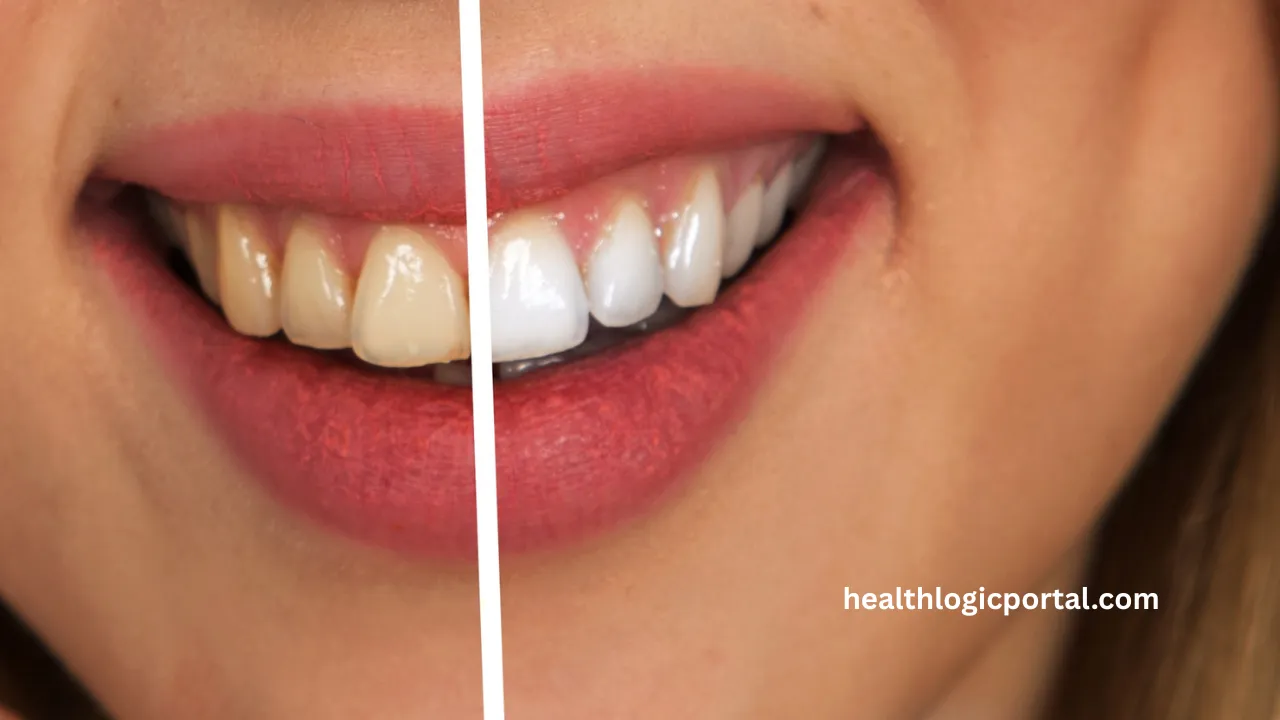
When it comes to finding the best natural ways to remove plaque from teeth, nothing is more effective than daily oral hygiene. Home remedies can be helpful, but they are most effective when combined with consistent brushing and flossing. Consider natural solutions, such as baking soda or saltwater rinses, as complementary tools, not replacements, for your toothbrush and floss.
Brushing Techniques That Work Best
Most people brush their teeth every day, but studies show that many don’t brush for long enough or use the correct technique. To effectively control plaque, dentists recommend brushing for at least two minutes, twice a day. The American Dental Association (ADA) advises using brush with a soft-bristled toothbrush at a gentle 45-degree angle along your gums, making gentle circular motions rather than scrubbing back and forth. This method effectively removes plaque without damaging the enamel or gums (ADA).
Another tip is choosing the right toothpaste. Fluoride toothpaste is essential for protecting enamel, but natural options, such as baking soda toothpaste, have been shown to improve plaque removal. In fact, a review highlighted by Healthline found that sodium bicarbonate (baking soda) toothpastes can help reduce both plaque and gingivitis more effectively than non-baking soda formulas.
If you’ve recently had a dental procedure like wisdom teeth extraction, you’ll need to be extra careful with brushing. Our article on how to sleep after wisdom teeth removal provides practical advice for maintaining oral hygiene during recovery without irritating sensitive areas.
The Role of Flossing and Interdental Brushes
Even with perfect brushing, plaque still collects between teeth where a toothbrush can’t reach. This is why flossing or using interdental brushes is essential. According to the Cochrane Oral Health Group, daily interdental cleaning is more effective in reducing plaque and gingivitis than brushing alone.
Many people prefer flossing, but research suggests that interdental brushes may be more effective in removing debris between teeth, especially for individuals with larger gaps. The Cleveland Clinic notes that interdental cleaners are an important part of a plaque-control routine.
If you find flossing difficult, interdental brushes or water flossers are excellent alternatives. This small step prevents hardened tartar, reduces gum inflammation, and supports long-term oral health. For anyone wondering how to remove tartar at home, this is the most effective tool available for prevention.
Benefits of Electric Toothbrushes
While manual brushing works well when done correctly, electric toothbrushes provide extra support, according to a review in the Journal of Clinical Periodontology. People who used electric toothbrushes had significantly less plaque and gum disease compared to those who used manual brushes.
The reason is simple: electric toothbrushes maintain a consistent motion and often include built-in timers, making it easier to brush for the full two minutes. The Cleveland Clinic also confirms that electric brushes can reduce plaque more effectively, especially for individuals with limited dexterity or children learning good oral hygiene habits.
If you’re serious about preventing tartar, investing in an electric toothbrush can be a game-changer. It’s not about fancy gadgets; it’s about making plaque removal more consistent and effective. When combined with natural remedies, such as a saltwater rinse or baking soda toothpaste, you’re giving your teeth the best defense against buildup.
Natural Remedies Supported by Research
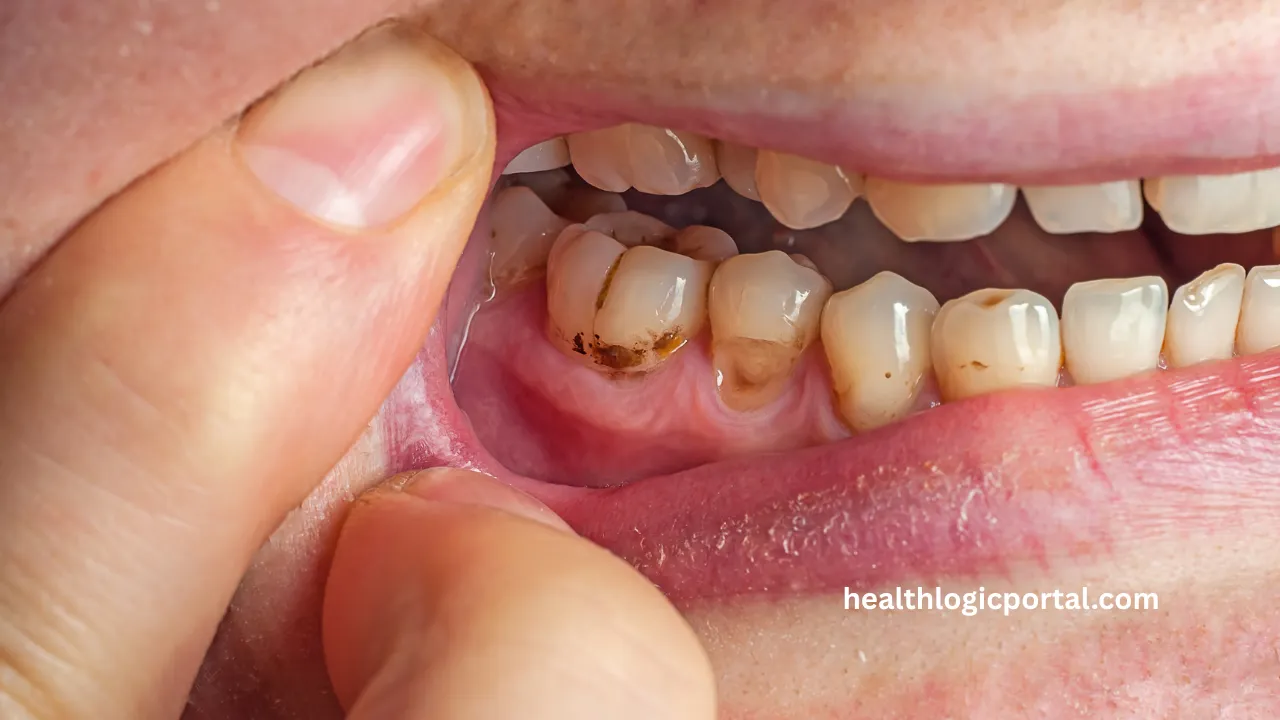
When it comes to natural ways to remove plaque from teeth, not every DIY method is safe or effective. However, some remedies have been studied and shown to support oral health when used correctly. These methods don’t replace brushing and flossing, but they can complement your daily routine and help reduce plaque buildup. Let’s look at three of the most widely studied natural approaches.
Baking Soda and Its Role in Plaque Removal
Oral care products have relied on baking soda (sodium bicarbonate) for years because of its soft abrasive texture and antibacterial effects. Unlike harsh chemicals or scrubbing tools, baking soda gently polishes the surface of the teeth, helping to reduce plaque without damaging enamel.
Findings published in the Journal of Clinical Dentistry indicate that toothpaste with baking soda outperforms non-baking soda toothpaste in plaque removal. The American Dental Association (ADA) also supports baking soda as a safe ingredient in toothpaste for maintaining oral health.
To use it at home, you can brush with a baking soda toothpaste or make a mild paste with water. It helps neutralize acids in the mouth, making it harder for plaque-causing bacteria to thrive. Just remember, baking soda is best used a few times a week, not daily, to avoid enamel wear.
This makes baking soda one of the most trusted home remedies for plaque and a simple addition to your natural dental care routine.
Saltwater Rinse: Soothing and Antibacterial
A saltwater rinse is one of the oldest and most effective natural plaque removal techniques. Salt has natural antibacterial and anti-inflammatory properties, which help soothe gums and create an environment where bacteria struggle to grow.
As highlighted by the National Institutes of Health rinsing with a mild saltwater solution can reduce oral bacteria and support gum healing. This makes it especially helpful after dental procedures or if you have irritated gums.
To make a saltwater rinse, Mix half a teaspoon of salt into a cup of warm water and swish gently for 30 seconds before spitting it out. Unlike mouthwash, which may contain alcohol, this natural rinse is safe for daily use and even suitable for children under supervision.
We also covered saltwater rinses in our article on 10 Natural Remedies for Tooth Infection, where they play a key role in soothing pain and fighting infection naturally.
Oil Pulling with Coconut or Sesame Oil
Oil pulling is an ancient Ayurvedic practice that involves swishing oil in the mouth for several minutes. Coconut and sesame oils are most commonly used due to their antibacterial properties.
The Journal of Indian Society of Pedodontics and Preventive Dentistry reported evidence that oil pulling with sesame oil significantly reduced plaque and improved gum health. Similarly, coconut oil has been shown to decrease the amount of harmful bacteria like Streptococcus mutans, which are responsible for plaque formation.
The Cleveland Clinic explains that while oil pulling should not replace brushing and flossing, it can be a sound complementary practice for fresher breath and reduced plaque buildup.
To try oil pulling, place one tablespoon of oil in your mouth and swish for 10–15 minutes before spitting it out (never swallow the oil). For beginners, even 5 minutes can make a difference.
If you’re looking for natural ways to remove plaque from teeth, oil pulling offers a gentle, traditional method backed by growing research.
Home Remedies to Approach with Caution
When searching for natural ways to remove plaque from teeth, you’ll likely come across dozens of DIY hacks online. Some sound promising, but not all are safe for your teeth and gums. In fact, certain remedies may do more harm than good, especially if they weaken enamel or irritate soft tissues.
Below are two popular at home plaque removal methods that require caution before attempting.
Apple Cider Vinegar and Enamel Erosion
Apple cider vinegar is widely claimed to be a solution for whitening teeth and removing plaque. The idea is that its acidity can break down plaque deposits. While it may have antibacterial properties, the problem is that vinegar is highly acidic.
The American Dental Association (ADA) warns that acidic liquids, such as vinegar, can break down the tooth’s enamel, making teeth more at risk for cavities and deterioration. Once enamel is lost, it cannot grow back.
Some online sources suggest rinsing with diluted apple cider vinegar, but even when watered down, repeated exposure can wear away enamel over time. What might start as a natural plaque removal attempt could ultimately lead to permanent dental damage.
Instead of vinegar, safer home remedies for plaque, such as baking soda, toothpaste, or saltwater rinses, can help keep bacteria in check without compromising your enamel.
Lemon and Citrus-Based Hacks: Risks vs. Reality
Another widespread myth is that rubbing lemon juice or orange peels on your teeth will remove plaque and whiten your smile. Although citrus fruits provide a high amount of vitamin C, the acid in lemon juice can be extremely harsh on enamel.
The Mayo Clinic explains that frequent use of acidic agents, such as lemon juice, wears away enamel, leading to sensitivity, discoloration, and an increased risk of cavities. This is why using citrus-based hacks as a regular dental routine is strongly discouraged.
Orange peels may seem less acidic, but they still contain citric acid that can gradually erode enamel. Unlike professional whitening or proven natural remedies for plaque, citrus solutions only offer temporary effects, potentially leading to long-term damage.
If you’re seeking brighter, healthier teeth, focus on enamel-safe options, such as fluoride toothpaste, baking soda, or professional cleaning. And if you’ve recently undergone dental surgery, our article on how to sleep after wisdom teeth removal provides protective strategies for healing while keeping enamel safe.
Diet and Lifestyle for Plaque Prevention
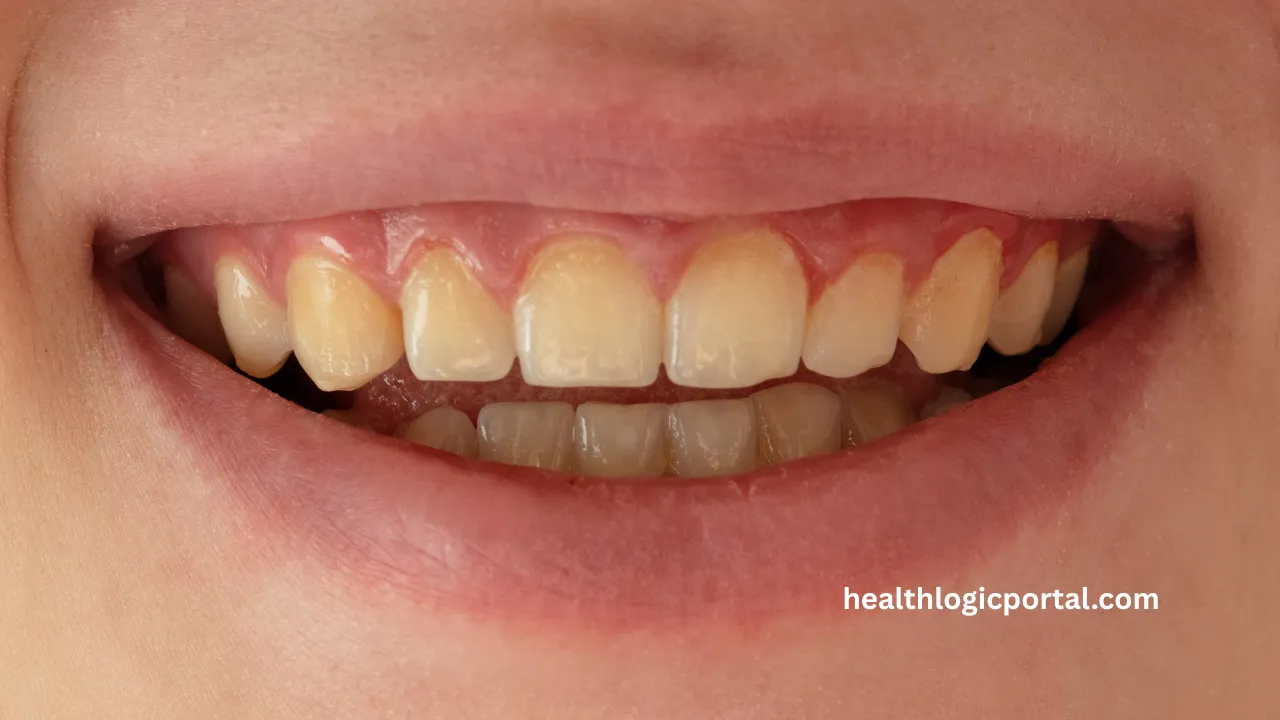
Although brushing and flossing are vital, your dietary choices and daily habits also greatly influence whether plaque builds up or diminishes. The mouth is constantly exposed to sugars, acids, and bacteria. With the right food choices and healthy habits, you can make your mouth a less friendly place for plaque to build up. Let’s explore how diet and lifestyle can support natural plaque removal and long-term oral health.
Crunchy Fruits and Vegetables as Natural Cleaners
Nature provides its own toothbrushes in the form of crunchy fruits and vegetables. Foods like apples, carrots, and celery help scrub away soft plaque and stimulate saliva production. Saliva is your body’s natural defense system. It washes away food particles and neutralizes acids.
As reported by American Dental Association (ADA), fibrous fruits and vegetables serve as natural cleaners for teeth while providing vitamins and minerals that help strengthen gums and enamel. Apples, for example, don’t replace brushing but can serve as a healthy clean-up snack between meals.
If you’re looking for home remedies for plaque that are safe and effective, adding more raw vegetables to your diet is one of the most straightforward steps. They not only support oral health but also improve digestion and overall wellness.
Green Tea and Other Natural Antimicrobials
Green tea is more than just a calming drink: it’s packed with compounds that protect your teeth. Polyphenols found in green tea have strong antibacterial properties that help control plaque-forming bacteria.
A review in the Journal of Indian Society of Periodontology reported that individuals who drank green tea showed healthier gums and lower plaque scores compared to non-drinkers. The NIH also highlights that green tea can help decrease inflammation and limit bacterial growth in the mouth.
Other natural antimicrobials, such as cloves and aloe vera, have also been studied for their role in reducing oral bacteria. These options won’t remove hardened tartar, but they support a diet for plaque prevention and help reduce buildup before it becomes a problem.
How Sugar and Smoking Affect Plaque Build-Up
On the other hand, certain lifestyle habits exacerbate plaque. Sugar serves as the main fuel for harmful bacteria. Every time you eat sweets, bacteria feed on the sugar and release acids that attack enamel. Frequent snacking on sugary foods or drinks creates a constant acid bath for your teeth.
The Harvard School of Dental Medicine emphasizes that reducing sugar intake is one of the most effective ways to prevent cavities and control plaque. Instead of sugary snacks, healthier choices like nuts, cheese, and fresh fruit can help protect teeth.
Smoking is another major contributor. It reduces saliva flow, weakens gums, and encourages plaque buildup. Smokers are more likely to experience tartar, gum disease, and tooth loss.
By limiting sugar and quitting smoking, you create an oral environment where plaque struggles to survive. Pairing these lifestyle changes with natural methods to remove plaque from teeth, such as baking soda and saltwater rinses, offers a powerful defense against buildup.
Professional Insights
Home remedies can play a crucial role in maintaining your mouth’s health, but dentists emphasize that there are limits to what natural methods can achieve. Understanding what dental professionals recommend can help you strike a balance between natural plaque removal and the benefits of professional care.
What Dentists Say About Natural Methods
Dentists generally support the use of safe home remedies for plaque as part of daily oral hygiene. Baking soda toothpaste, saltwater rinses, and oil pulling are not considered harmful when used correctly and can complement brushing and flossing.
The American Dental Association (ADA) states that brushing with fluoride paste twice daily and flossing once each daily remain the gold standard for preventing plaque. Natural remedies may help reduce bacteria and freshen breath, but they should never replace these fundamentals.
For Example:
- Baking soda helps by providing a mild abrasive action to polish teeth.
- Saltwater rinses calm gum irritation and reduces bacteria.
- Green tea and other natural antimicrobials lower bacterial activity.
Dentists view these methods as supportive but stress that they can’t remove hardened tartar.
When to Seek Professional Cleaning
No matter how consistent your home care routine is, some plaque will eventually harden into tartar. At this stage, brushing, flossing, and natural methods are no longer enough. Only dental professionals, such as a dentist or hygienist, can eliminate tartar safely through professional cleaning or scaling.
The Mayo Clinic recommends visiting your dentist at least every six months for preventive care. Professional cleanings not only remove tartar but also help detect gum disease and cavities in their earliest stages, when treatment is most effective and easiest.
Some warning signs that it’s time to book a cleaning include:
- Persistent bad breath despite regular brushing
- Gums that bleed when brushing or flossing
- Yellow or brown tartar deposits on teeth
- Swollen or tender gums
If left untreated, these issues can progress into infections. Our article on how long until a tooth infection kills you explains why ignoring serious oral symptoms can be dangerous for your health.
The safest approach combines natural methods for removing plaque from teeth with professional dental cleanings for comprehensive care. This ensures both short-term freshness and long-term protection.
Myths vs. Facts
When it comes to natural ways to remove plaque from teeth, the internet can be a confusing place. Social media is filled with quick-fix hacks that promise a brighter smile in minutes, but not all of them are safe or even effective. Some remedies may actually damage your teeth in the long run. Let’s break down the myths and highlight the facts, so you know what works and what to avoid.
Common Social Media Remedies Debunked
Several DIY plaque removal tricks often circulate online. While they might sound appealing, most of these lack scientific support and can even harm your teeth:
- Charcoal toothpaste: Marketed as a natural whitener, but studies show it’s abrasive and can wear down enamel. The JADA found little evidence to support its safety or effectiveness.
- Hydrogen’s peroxide rinses: Some people use diluted peroxide as a mouthwash, but frequent use can irritate gums and cause sensitivity.
- Fruit scrubs (strawberries, lemon, or orange peels): While natural, these contain acids that erode enamel. The American Dental Association (ADA) warns against frequent acid exposure.
- DIY dental scrapers: Using metal tools at home can scratch enamel and push bacteria deeper under gums, creating infections. The Cleveland Clinic strongly discourages this practice.
These so called hacks may look trendy online, but they are not safe substitutes for professional or proven care.
Evidence-Based Alternatives You Can Trust
While some remedies may not live up to the hype, others are backed by science and endorsed by dental experts. These methods can safely support natural plaque removal when paired with daily brushing and flossing:
- Baking soda toothpaste: Gentle yet effective for polishing teeth and reducing plaque.
- Saltwater rinse: A natural antibacterial rinse that soothes gums and reduces oral bacteria.
- Green tea: Rich in polyphenols that reduce bacterial activity and support gum health (NIH).
- Oil pulling with coconut oil: Traditional practice shown to reduce plaque-causing bacteria in some studies (Cleveland Clinic).
The difference between myths and facts comes down to research. Evidence-based remedies may not provide overnight results like viral hacks claim, but they are safe, sustainable, and dentist-approved.
Real User Experiences
Walter Schmidt’s experience:
Walter Schmidt’s a Quora contributor, explains that plaque forms on a thin film called the pellicle, which constantly reforms after brushing. He finds regular brushing—manual, electric, or sonic—the most effective way to sweep plaque away before it hardens into tartar that only dentists can remove.
Shalini Upadhyay’s insight:
According to Shalini Upadhyay, who also shared her advice on Quora, brushing twice daily, flossing, eating fruits and vegetables, and using mouthwash are simple steps that go a long way in avoiding plaque accumulation.
Oral Care for Sparkling Teeth’s perspective:
Another Quora user, Oral Care for Sparkling Teeth, highlighted that natural chewing and saliva play a huge role in keeping teeth healthy. They emphasized that diets rich in raw, fibrous foods and low in sugar help reduce plaque naturally.
Conclusion
Plaque is a part of daily life. Every time we eat or drink, bacteria in the mouth begin to form these sticky deposits on our teeth. Left untreated, plaque hardens into tartar and increases the risk of cavities, gum disease, and even tooth loss. The good news is that prevention and control are well within your reach.
The best natural ways to remove plaque from teeth include brushing with fluoride toothpaste, flossing daily, and supporting your oral care routine with safe, evidence-based remedies like baking soda, saltwater rinses, green tea, and oil pulling. These methods don’t replace professional dental care but work alongside it to reduce bacteria, freshen breath, and protect your enamel.
It’s equally important to avoid harmful myths, such as using vinegar, lemon juice, or abrasive scrubs, which may seem natural but can damage your enamel. Instead, focus on home remedies for plaque that are supported by research, and pair them with regular dental checkups to keep tartar under control.
Lifestyle choices also matter. Drinking plenty of water, eating crunchy vegetables, reducing sugar intake, and avoiding smoking all support natural plaque removal. Even small daily changes add up to healthier teeth and gums over time.
Finally, remember that no natural method can substitute professional cleaning once tartar has formed. Dentists provide the deep cleaning your teeth need and can catch problems early before they become serious.
The path to a healthier smile is not about quick fixes; it’s about consistent habits, smart choices, and balanced care. With an effective daily dental hygiene routine, natural remedies, and regular dental visits, you can keep plaque under control and enjoy stronger, healthier teeth for life.